Florida makes roofing material selection unusually important. A roof has to deal with strong UV exposure, heat, humidity, heavy rain, tropical weather, and, near the Gulf, salt in the air. No single material is automatically best for every house. The right answer depends on your budget, roof structure, neighborhood or HOA, distance from the coast, expected ownership period, maintenance tolerance, and architectural style.
For many homeowners, architectural shingles provide the best upfront value, standing seam metal offers the strongest long-term performance, and concrete or clay tile delivers the classic Florida look with excellent longevity. Flat or low-slope sections should use roofing systems designed for low slopes rather than standard shingles.
Roofers Near Me installs multiple materials, which makes it easier to compare choices without being pushed toward a single product. If you are planning a reroof, start with a roof replacement inspection and evaluate the whole roof system before choosing the covering.
Quick Comparison of Florida Roofing Materials
Asphalt shingles: about 15-25 years; lower upfront cost; best for budget control, broad style options, and fast replacement.
Standing seam metal: about 40-70 years; higher upfront cost; best for long ownership, durability, and lower maintenance.
Concrete or clay tile: often 40-50+ years; higher upfront cost; best for longevity, Florida architecture, and curb appeal.
Flat-roof membranes: often 15-30 years; cost varies; best for low-slope roofs, additions, and commercial buildings.
These ranges are planning estimates, not guarantees. Installation quality, ventilation, drainage, storms, maintenance, product choice, and coastal exposure can change real service life.
Asphalt Shingles: Best for Upfront Value
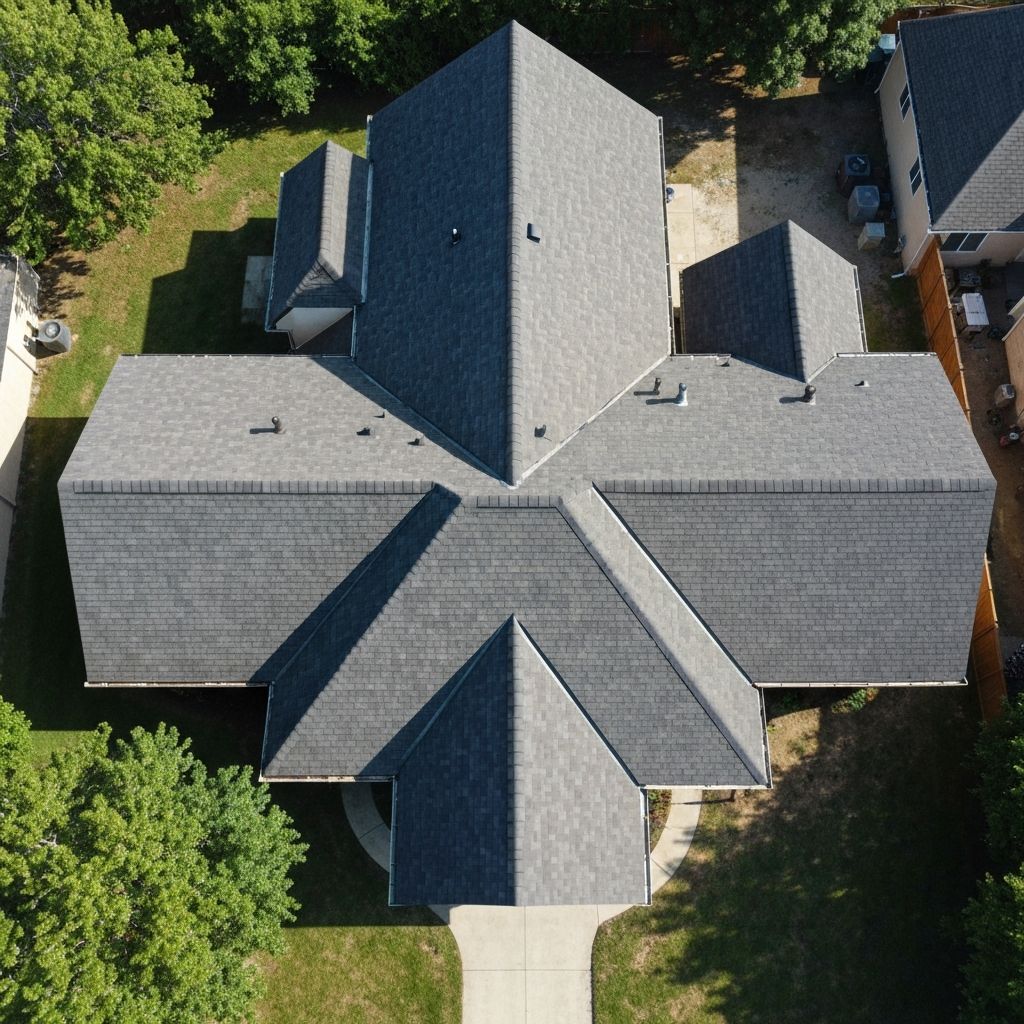
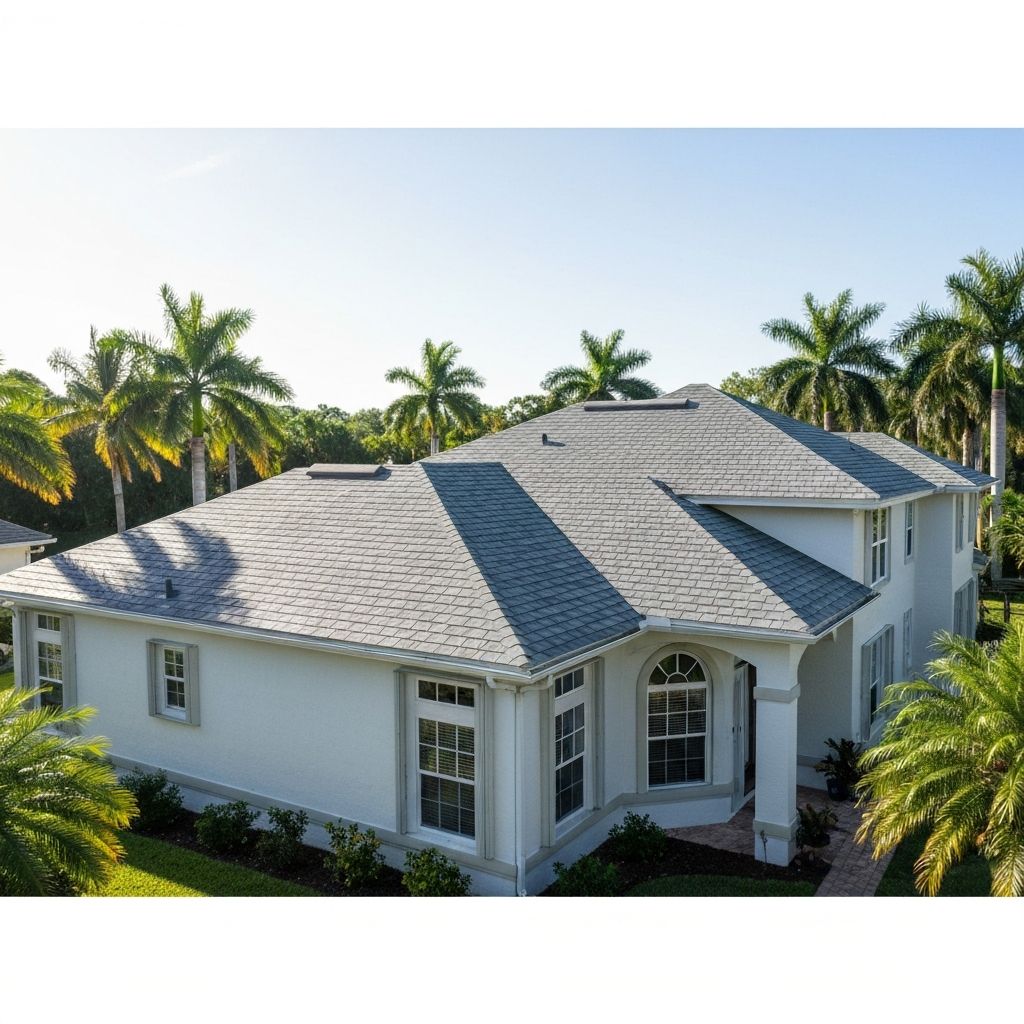
Modern architectural shingles are popular because they balance cost, appearance, and availability. They come in many colors, can be installed quickly, and are easier to repair than some premium systems. For owners who may sell sooner or need to control the initial project budget, shingles often make financial sense.
The trade-off is service life. Florida sun, heat, and storm exposure can age shingles faster than homeowners expect from a maximum manufacturer warranty. If this option fits your budget, compare wind ratings, algae resistance, underlayment, ventilation, starter strips, flashing, and installation details, not just the shingle brand. See Roofers Near Me’s shingle roofing options.
Standing Seam Metal: Best for Long-Term Performance
Metal roofing costs more upfront, but it can provide decades of service when the panels, coating, flashing, and attachment are specified correctly. Standing seam systems conceal most fasteners, reducing one common maintenance point found on some exposed-fastener roofs.
Metal can also reflect solar energy and suits homeowners who want a long ownership horizon. Coastal properties should pay particular attention to metal type, coating, fasteners, and manufacturer requirements for salt exposure. Roofers Near Me offers metal roof installation and repair for homeowners comparing long-term roofing investments.
Concrete and Clay Tile: Best for Florida Style and Longevity
Tile has strong architectural appeal and can remain in service for several decades. Concrete is generally more budget-friendly than clay, while clay offers distinctive color and traditional appearance.
Tile’s main considerations are weight and system complexity. The house must support the roof, and underlayment, flashing, valleys, fastening, and penetrations need careful installation. The tile itself may outlast components underneath it, so long-term maintenance planning matters. Roofers Near Me works with clay and concrete tile roofing.
Flat and Low-Slope Roofing: Best for the Roof Shape It Was Designed For
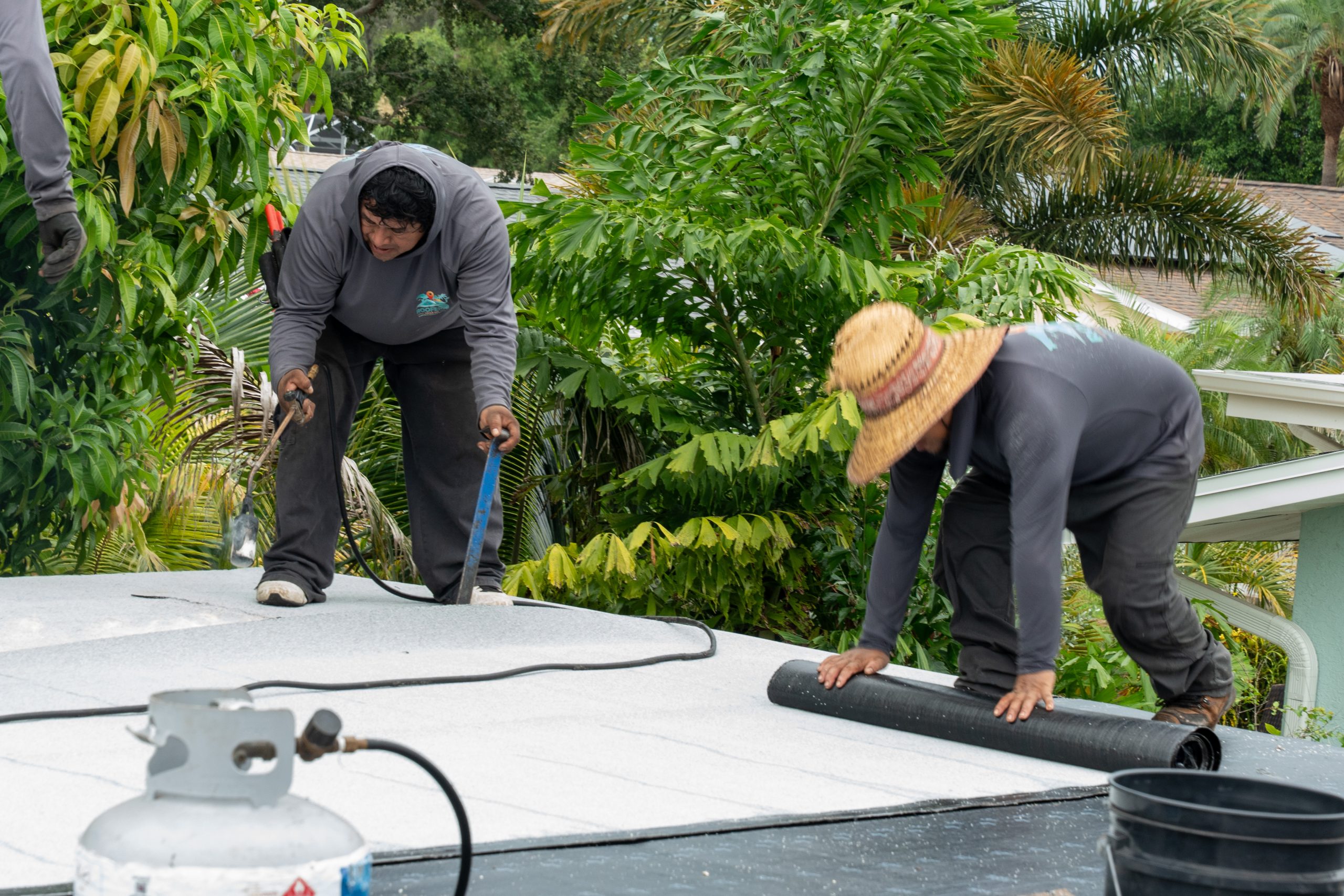
A low-slope roof needs a material designed to handle slower drainage and different water-flow conditions. TPO, EPDM, modified bitumen, and built-up systems are common examples. Shingles should not be treated as a universal solution for every roof pitch.
For low-slope additions, patios, multifamily buildings, and commercial properties, use a contractor that understands drainage, seams, penetrations, insulation, and flashing. Explore flat roof systems when the roof geometry calls for them.
Which Material Has the Best ROI?
ROI depends on how long you plan to own the property. A homeowner selling in five years may value the lower initial cost and broad market familiarity of architectural shingles. Someone planning to stay for decades may prefer metal because the higher initial cost can be spread over a longer service life. Tile can deliver strong value where the home style and neighborhood support it.
Do not ignore repairability. A premium material that is difficult to match locally after a storm may create different maintenance costs than a widely stocked product. Also consider insurance requirements and HOA rules before making a final selection.
What Matters More Than the Material
The best material can still fail early if the installation is weak. Roof decking, underlayment, fastening, ventilation, flashing, valleys, penetrations, drainage, edge details, and workmanship all influence performance. That is why contractor selection matters as much as product selection.
Roofers Near Me is based in Largo and lists residential, commercial, and emergency roofing across its Tampa Bay service area. Working with a contractor that offers several roof types can make the comparison more practical.
FAQs
What is the best roof for Florida hurricanes?
Metal, tile, and high-quality architectural shingles can all perform well when the complete roof system is properly designed and installed for the required wind conditions. Installation details are critical.
Is metal roofing worth it in Florida?
It can be a strong choice for long-term owners because of its service life, durability, and relatively low maintenance. The higher initial price is the main trade-off.
Is tile better than shingles in Florida?
Tile usually offers longer material life and a premium appearance, but it costs more and is heavier. Shingles are more affordable and easier to replace or repair. The better option depends on the home and budget.
What is the cheapest roofing material for a Florida home?
Architectural asphalt shingles are generally the lowest-cost mainstream choice for a steep-slope residential roof.
What roof is best near the Florida coast?
Coastal exposure makes corrosion resistance, wind detailing, and manufacturer requirements especially important. Metal and tile can both be strong choices when specified correctly, while quality shingles remain viable on many homes.
Bottom Line
There is no single winning roof for every Florida home. Choose the material that fits the structure, budget, location, and ownership plan, then invest in correct installation. Roofers Near Me can inspect your home and compare shingle, tile, metal, or low-slope options without forcing every property into the same solution.