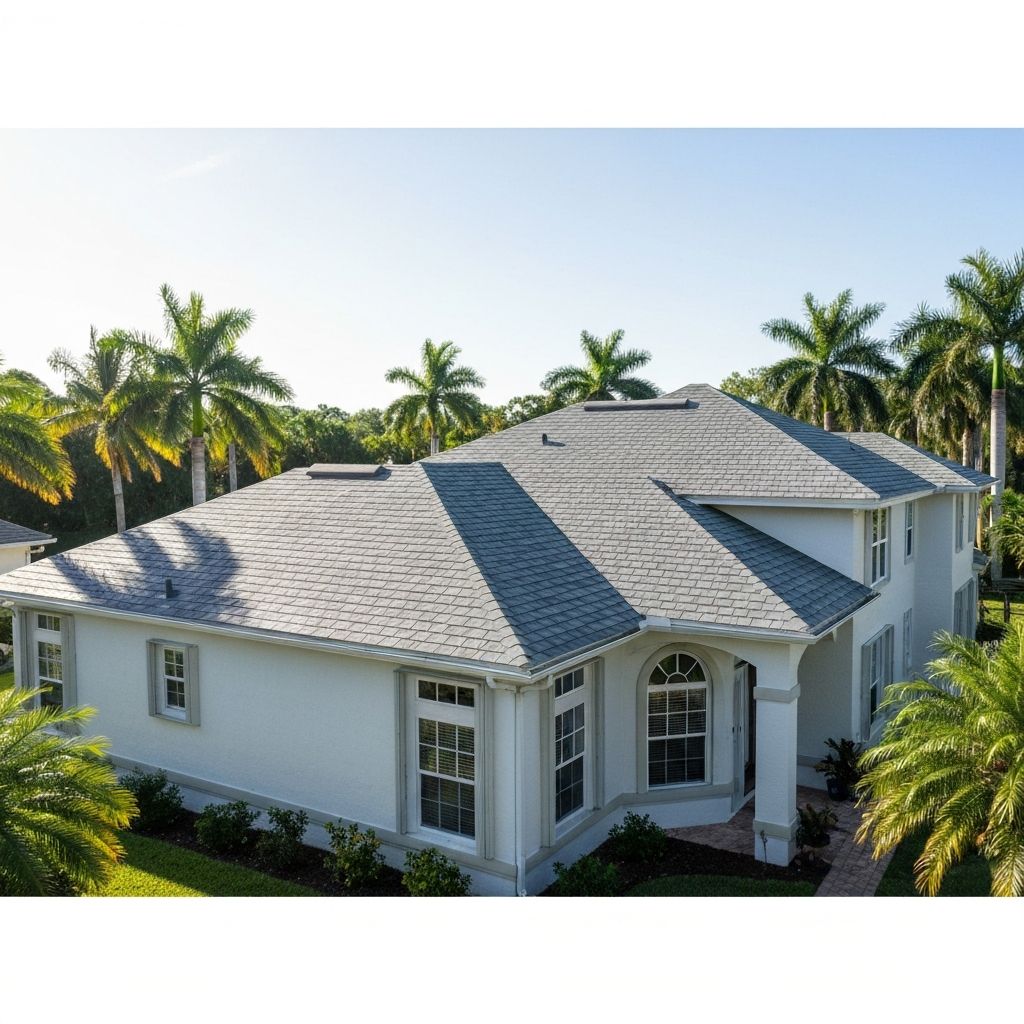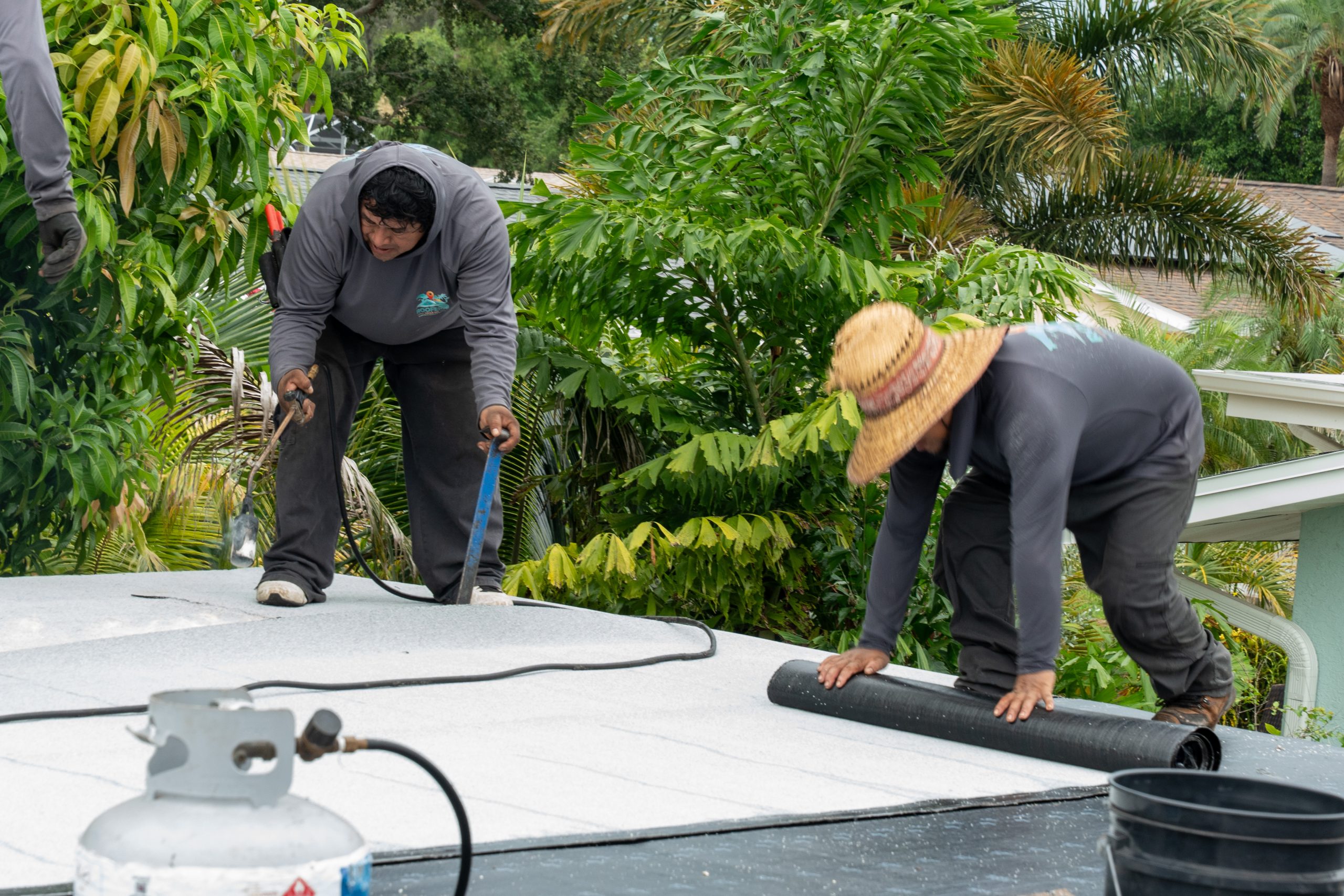
Standing seam metal roofing is one of the most durable residential roofing options, but it also carries a higher upfront price than standard asphalt shingles. Homeowners researching cost should look beyond a single price-per-square-foot figure because metal type, panel profile, roof geometry, tear-off, underlayment, flashing, labor, coatings, and coastal requirements can all change the final proposal.
National 2026 pricing guides often place installed standing seam metal roofing broadly around the low teens to more than $20 per square foot, with premium materials or complex roofs going higher. In Florida, wind requirements, permitting, existing roof removal, corrosion exposure, and detailed flashing can influence price. The only reliable number for your house comes from a measured inspection and written scope.
Roofers Near Me provides metal roofing installation and repair throughout Tampa Bay and can compare standing seam with other roof materials based on your budget and expected ownership period.
What Is a Standing Seam Metal Roof?
Standing seam roofing uses long metal panels joined by raised vertical seams. In many systems, the primary fasteners are concealed under the seam rather than exposed to the weather. That clean design is one reason standing seam is popular for modern homes and long-term roofing projects.
Panels may be steel or aluminum and can use different gauges, coatings, seam heights, fastening methods, and profiles. Those technical choices affect both performance and cost.
What Does Standing Seam Metal Roofing Cost?
A useful planning range is roughly $12 to $22+ per square foot installed for many projects, but that is not a quote. A simple roof with easy access and standard materials can fall toward the lower end. A steep, cut-up roof with premium metal, difficult staging, custom flashing, and coastal specifications can cost considerably more.
For a 1,500-square-foot roof surface, that broad range could imply roughly $18,000 to $33,000 or more. A 2,000-square-foot roof surface could imply roughly $24,000 to $44,000 or more. Remember that roof area is not always the same as the home’s floor area.
1. Metal Type
Galvanized or Galvalume-coated steel is common and cost-effective. Aluminum typically costs more but offers excellent corrosion resistance, which can matter near saltwater. Copper and zinc are premium materials with much higher pricing and are usually selected for architectural reasons rather than budget projects.
2. Panel Gauge and Profile
Thicker metal and more specialized panel profiles can increase material cost. Seam height, panel width, clip design, and whether panels are mechanically seamed also affect labor and performance.
3. Roof Shape and Pitch
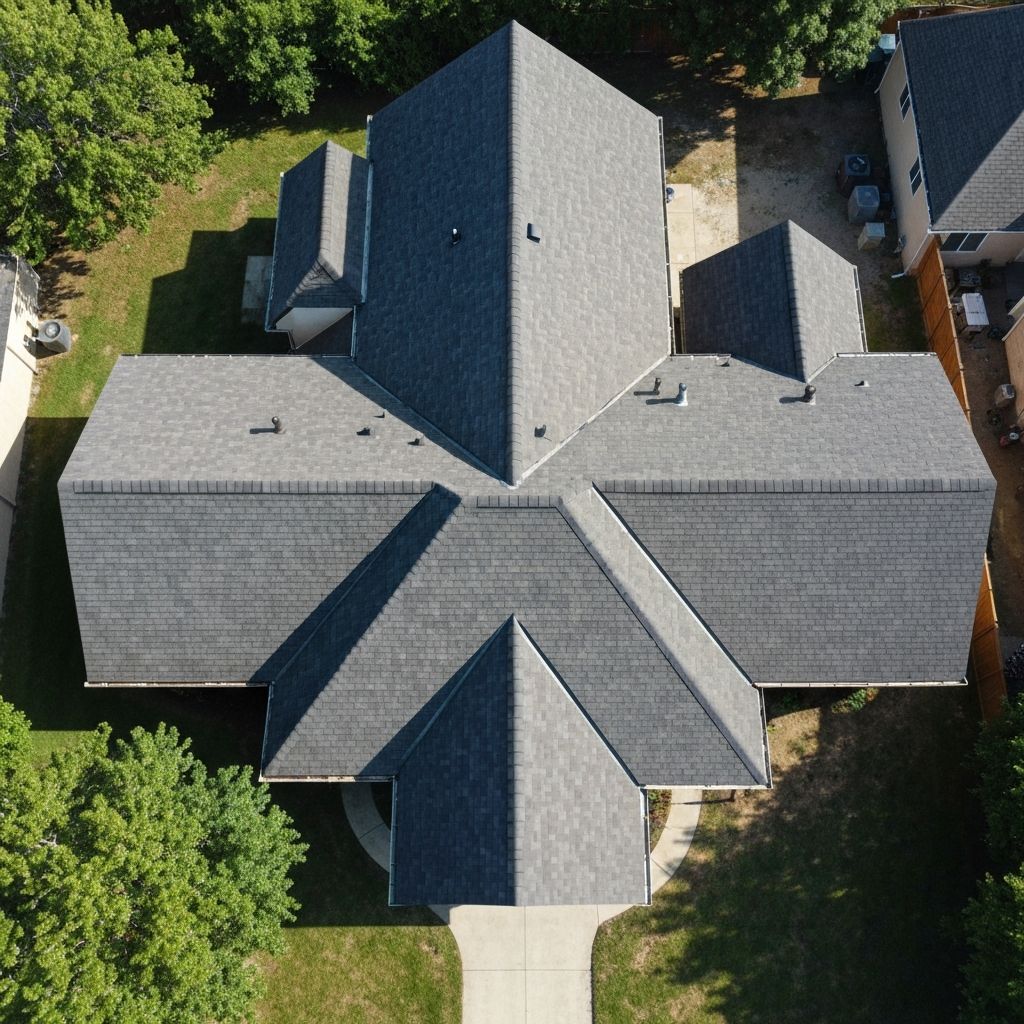
A simple gable roof is faster to panel than a roof with many valleys, hips, dormers, skylights, chimneys, and short panel runs. Every transition requires measuring, cutting, flashing, and detailing. Steeper slopes also increase safety and staging requirements.
4. Tear-Off and Deck Repairs
Removing an existing roof adds labor and disposal. Once the old material is removed, deteriorated decking may need replacement before metal can be installed. A detailed roof replacement estimate should explain how unexpected deck repairs are priced.
5. Underlayment and High-Temperature Components
Metal roofs can reach high surface temperatures, so compatible underlayment and flashing materials matter. Valleys, penetrations, pipe boots, and sealants should be selected for the roof system rather than treated as generic accessories.
6. Coastal Exposure
Near the Gulf, salt air can affect material selection, fasteners, clips, trim, and coatings. Always check manufacturer coastal limitations. Paying more for the correct material can be cheaper than dealing with premature corrosion or warranty limitations later.
Standing Seam vs. Asphalt Shingles
Asphalt shingles usually cost less upfront, which is why they remain popular. Standing seam generally costs more but can last much longer and may require fewer full replacements over a long ownership period. Homeowners can compare the economics with Roofers Near Me’s shingle roofing service.
If you expect to sell soon, the premium for metal may be harder to recover directly. If you plan to keep the home for decades, longevity and reduced replacement frequency may improve the life-cycle value.
Standing Seam vs. Tile Roofing
Both metal and tile can be premium Florida roof choices. Tile offers the classic Mediterranean or Spanish appearance, while standing seam provides a cleaner modern profile and much lower roof weight. Tile may be preferred by an HOA or by the architecture of the home. Compare options through a contractor that also understands tile roofing.
Is Standing Seam Metal Worth the Cost in Florida?
For many long-term owners, yes. A well-specified standing seam roof can offer long service life, strong weather performance, a low-maintenance exterior, and a distinctive look. It is especially attractive to homeowners who want to avoid replacing asphalt shingles multiple times over the same ownership period.
The ROI still depends on the house. Roof structure, coastal distance, neighborhood value, insurance, HOA rules, financing, and expected time in the home should all be considered. A contractor should explain these factors rather than presenting metal as the right answer for everyone.
How to Compare Metal Roof Quotes
Ask each contractor for panel manufacturer, metal type, gauge, coating, seam type, attachment method, underlayment, flashing, trim, ventilation, tear-off, deck-repair pricing, permit responsibility, workmanship warranty, manufacturer warranty, and project schedule.
For Largo and Tampa Bay homes, local experience also matters because storms, heat, humidity, and coastal exposure affect roof design. Roofers Near Me serves multiple communities across its Tampa Bay service area.
FAQs
How much does a standing seam metal roof cost per square foot?
A broad planning range is about $12 to $22+ per square foot installed for many 2026 projects. Material choice and roof complexity can move the cost outside that range.
Why is standing seam more expensive than corrugated metal?
Standing seam systems use concealed attachment, specialized panels, clips, seaming equipment, detailed trim, and skilled labor. The system is designed as a premium long-term roof rather than a basic exposed-fastener panel installation.
How long does standing seam metal roofing last?
Many systems can remain in service roughly 40 to 70 years when properly designed, installed, and maintained. Coastal exposure, coating, metal type, and workmanship affect real life.
Is aluminum better than steel near the coast?
Aluminum offers excellent corrosion resistance and is often attractive for salt-air exposure. The right choice should follow manufacturer requirements and the specific distance from the coast.
Can standing seam be installed over an old roof?
Sometimes local codes and system requirements allow overlay approaches, but tear-off may be preferable or required depending on the existing roof, deck condition, weight, and installation specification.
Get a Standing Seam Metal Roof Estimate
Online averages are useful for budgeting, but they cannot account for your roof geometry and material specification. Roofers Near Me can inspect the property, compare metal with other systems, and provide a detailed estimate built around the actual house rather than a national average.