A roof in Florida usually has a harder life than the same roofing material installed in a milder climate. Intense UV exposure, heat, humidity, heavy rain, tropical storms, wind-driven moisture, salt air near the coast, and frequent thermal cycling can all shorten service life. That is why a manufacturer’s maximum lifespan should not be treated as a promise for every Florida property.
The practical answer is that many Florida shingle roofs last about 15 to 25 years, tile systems can remain serviceable for several decades, and properly installed metal roofs can often reach 40 to 70 years. Flat and low-slope membrane roofs commonly fall somewhere around 15 to 30 years depending on the system, drainage, maintenance, and installation. These are planning ranges, not guarantees.
If you already see leaks, missing materials, soft decking, or repeated repairs, the condition of the roof matters more than its birthday. Roofers Near Me can evaluate whether targeted roof repair still makes sense or whether replacement will provide better long-term value.
Typical Florida Roof Lifespans by Material
Asphalt Shingles: About 15 to 25 Years
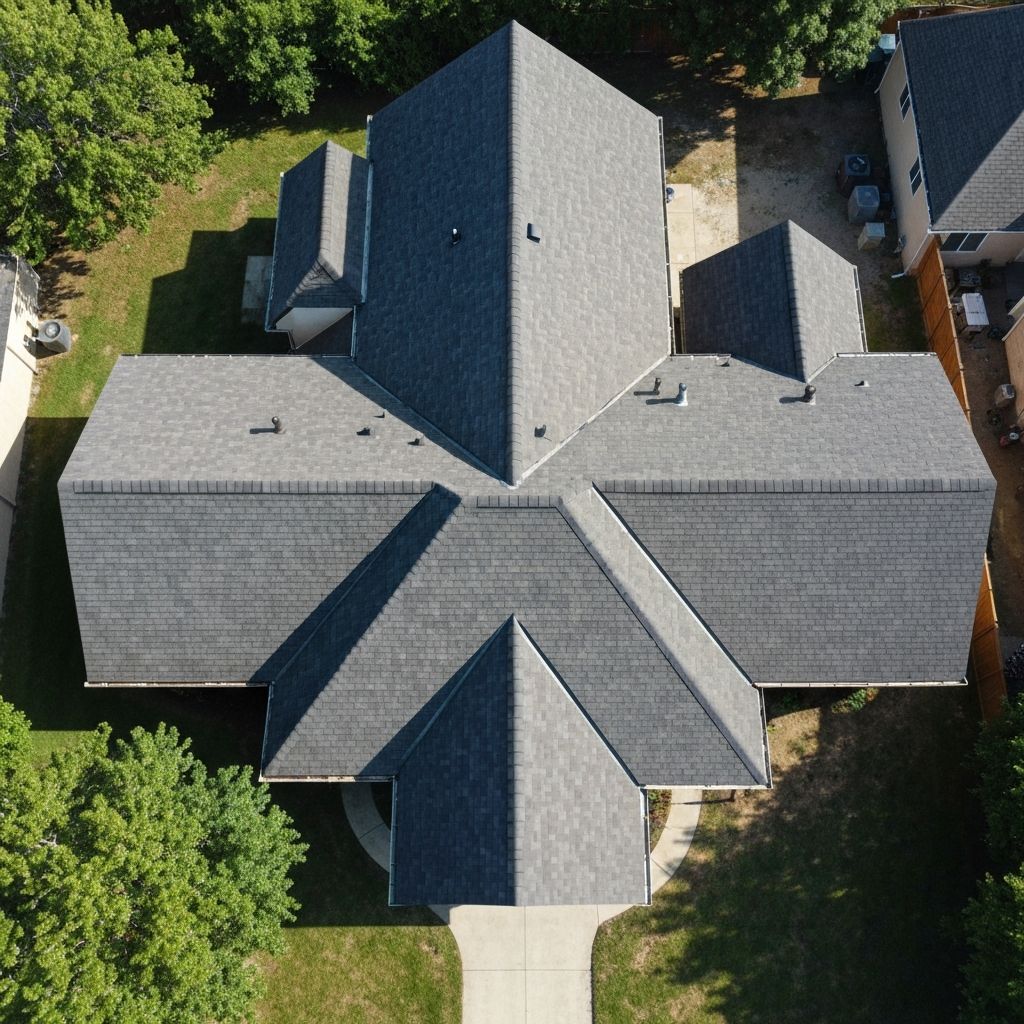
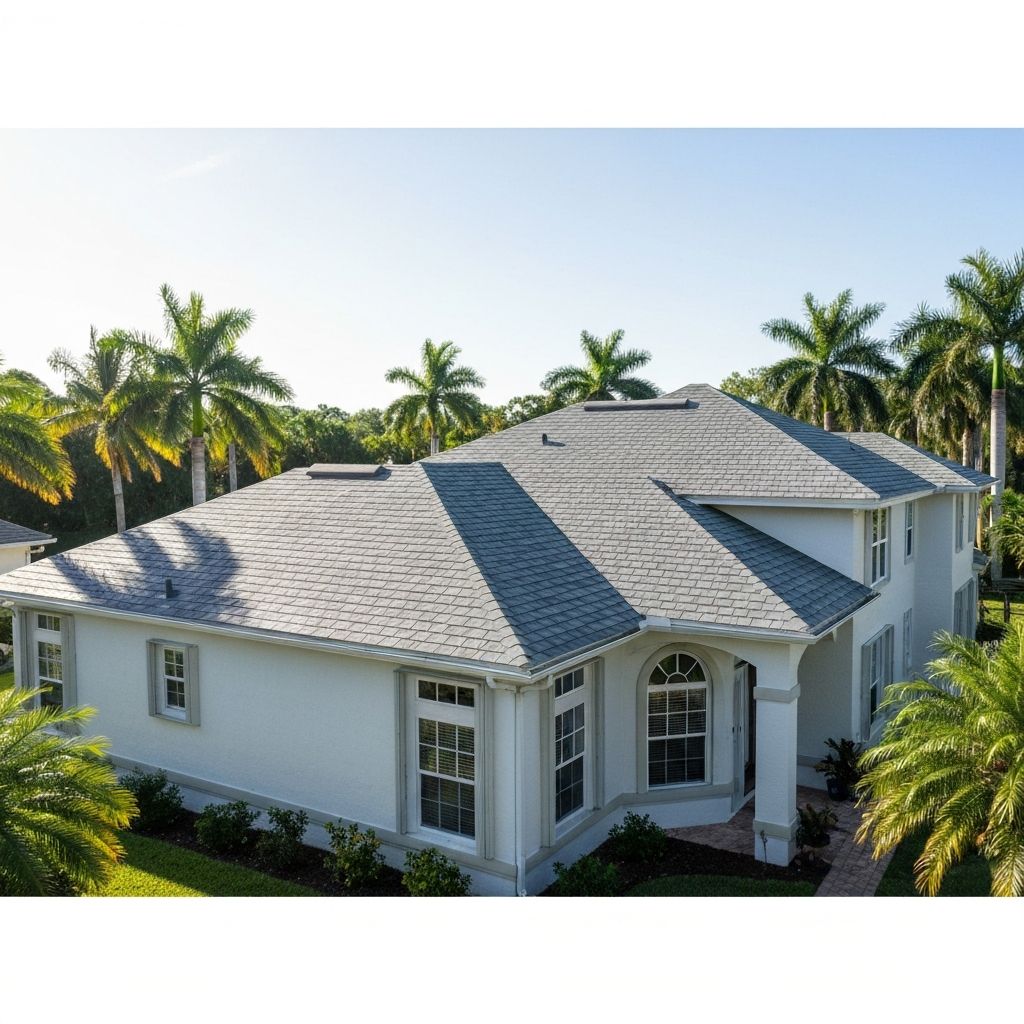
Architectural asphalt shingles remain one of the most common roofing choices because they are comparatively affordable, attractive, and quick to install. Florida sun and heat can accelerate granule loss and aging, while high winds can lift poorly sealed or older shingles.
A quality shingle roofing system installed correctly and maintained well can provide years of reliable service, but homeowners should not assume the longest warranty number equals the actual service life in every coastal Florida environment.
Concrete or Clay Tile: Often 40 to 50+ Years
Tile itself can last for decades. The more important issue is that the roof is a complete assembly. Underlayment, flashing, fasteners, sealants, valleys, penetrations, and structural conditions may need attention before the tile reaches the end of its material life.
Florida homeowners should schedule an inspection when tiles are cracked, displaced, or missing, or when interior staining appears. Roofers Near Me provides tile roof installation and repair for clay and concrete systems.
Metal Roofing: Often 40 to 70 Years
Metal is attractive for long-term owners because it can resist many forms of weathering and may require fewer full replacements over the life of a property. Lifespan depends on panel type, coating, metal type, fasteners, flashing, installation, and coastal exposure.
Standing seam systems hide most fasteners and can offer strong long-term performance when detailed correctly. Homeowners considering a long-term reroof can compare options through Roofers Near Me’s metal roofing service.
Flat and Low-Slope Roofing: Roughly 15 to 30 Years
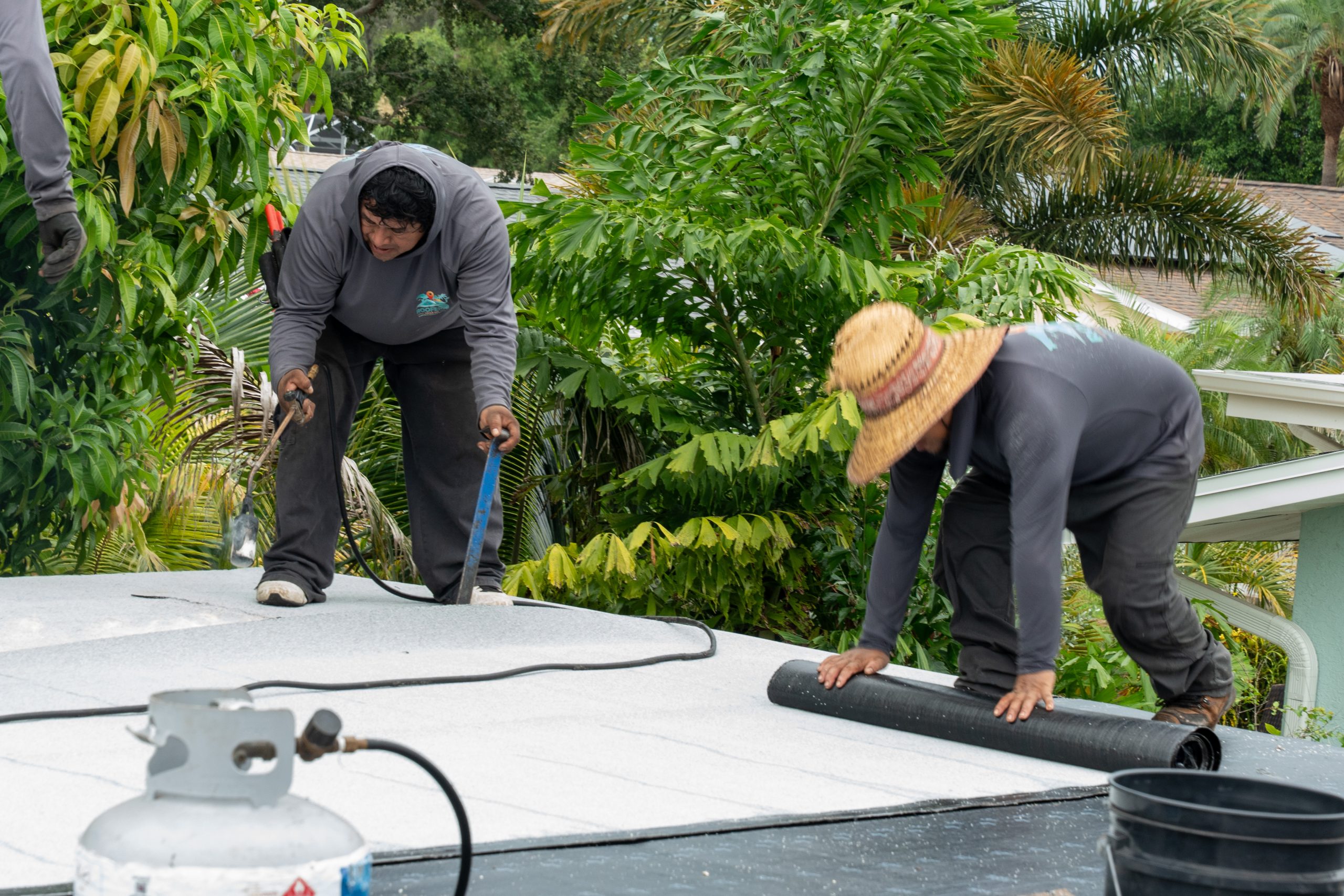
TPO, EPDM, modified bitumen, built-up roofing, and other low-slope systems vary widely. Drainage is critical. Ponding water, failed seams, punctures, flashing problems, and neglected penetrations can shorten service life significantly.
If you own a home addition, commercial building, or property with a low-slope section, regular inspection can help catch small failures early. See Roofers Near Me’s flat roofing services for repair and replacement options.
Why Florida Roofs Age Faster
UV and Heat
Sunlight degrades many roofing materials over time. Dark surfaces can reach temperatures far above the surrounding air, increasing expansion, contraction, and material stress.
Wind and Tropical Weather
Even when a storm does not cause obvious catastrophic damage, repeated gusts can stress edges, flashing, shingles, fasteners, and penetrations. Wind-driven rain can also find weaknesses that ordinary rainfall does not reveal.
Humidity and Heavy Rain
Persistent moisture raises the stakes for small failures. Once water reaches the roof deck or insulation, it can spread beyond the visible entry point and create more expensive repairs.
Salt Air
Homes closer to the Gulf should consider corrosion resistance when selecting metal components, fasteners, flashing, and roof accessories. Material selection and coating quality matter more in coastal environments.
Signs Your Roof May Be Near the End of Its Life
Age alone should not trigger replacement, but recurring leaks, widespread granule loss, curled or missing shingles, cracked tile, corrosion, failed seams, sagging, soft decking, persistent ponding, and repeated flashing repairs all deserve attention.
If multiple areas are failing at once, paying for one repair after another can become poor economics. A professional roof replacement assessment should compare the expected repair life with the cost and warranty of a new system.
How to Extend Roof Life in Florida
Keep gutters and drainage paths clear. Trim branches that can scrape or fall on the roof. Inspect after major storms. Address leaks quickly. Keep roof penetrations and flashing in good condition. For low-slope roofs, do not allow persistent ponding to become normal. Most importantly, use a contractor that understands Florida weather and installs the complete roof system correctly rather than focusing only on the visible covering.
Roofers Near Me is based in Largo and serves communities across its Tampa Bay roofing service area. Its website lists residential, commercial, and 24/7 emergency roofing for properties that need inspections, repairs, or replacement planning.
FAQs
How long does a shingle roof last in Florida?
A common planning range is about 15 to 25 years, though product quality, installation, ventilation, storm exposure, maintenance, and location can move the real number lower or higher.
How long does a tile roof last in Florida?
Concrete and clay tile can last for several decades, but underlayment and other system components may require work earlier than the tile itself.
How long does a metal roof last in Florida?
Many properly installed metal roofs can remain in service for roughly 40 to 70 years. Coastal exposure, coating, panel type, fasteners, and workmanship affect longevity.
Does a 20-year-old roof automatically need replacement?
No. Condition is more important than age alone. A sound roof may still have useful life, while a younger roof with poor installation or severe storm damage can need major work sooner.
When should I schedule a roof inspection?
Schedule an inspection when you see visible damage, interior staining, repeated leaks, or after severe weather. An inspection is also helpful when planning insurance, real-estate, or replacement decisions.
Bottom Line
The best way to answer “how long will my roof last?” is to combine its material, age, installation quality, maintenance history, and current condition. If you are unsure, Roofers Near Me can inspect the roof and give you a practical next step instead of guessing from age alone.