Most roof repairs in Tampa run between $250 and $1,800, with the average homeowner paying around $600 to $900 for a standard job. Small fixes like a handful of cracked shingles or a worn pipe boot land on the low end. Repairs that involve flashing, valleys, or exposed decking after a leak push toward the higher end, and major storm damage can climb past $4,500. Where you land on that range depends less on luck and more on what’s actually wrong with your roof — and in Tampa, that usually comes down to three things: the type of roofing material, how long the damage sat before you called someone, and whether the fix touches the wood decking underneath.
What a Typical Tampa Roof Repair Actually Costs
Below is a breakdown based on the repair scopes we see most often across Hillsborough and Pinellas County homes.
Minor repairs: $250–$650
This covers a small number of missing or cracked shingles, a single pipe boot reseal, or patching a small vent flashing leak. If you caught the issue early — say, right after a windstorm knocked a few shingles loose — this is usually where you’ll land.
Moderate repairs: $650–$1,800
Once a leak has been active for a while, or the damage covers a wider section, costs move up. This tier typically includes flashing replacement around chimneys or skylights, valley repairs (a common trouble spot on Tampa’s steeper residential roofs), or patching a leak that’s already reached a small section of decking.
Major repairs: $1,800–$4,500+
This is where roof damage overlaps with structural issues — rotted decking, multiple failed penetrations, or a large section of storm damage that’s one step short of a full tear-off. If your contractor tells you the repair scope is approaching this range, it’s worth asking whether replacement makes more financial sense (we cover that comparison in a separate article).
Keep in mind that national repair-cost averages you’ll find on big directory sites tend to hover around $1,000 flat, which can be misleading for Tampa homeowners. That number doesn’t account for Florida’s building code requirements for wind-rated underlayment, the premium labor cost of working on tile roofs (far more common here than in most of the country), or the permitting fees that come with certain repair types.
For a broader look at roofing materials, maintenance, repairs, and replacement considerations across the Tampa Bay area, see our Complete Tampa Bay Roofing Guide.
What Drives the Price Up or Down
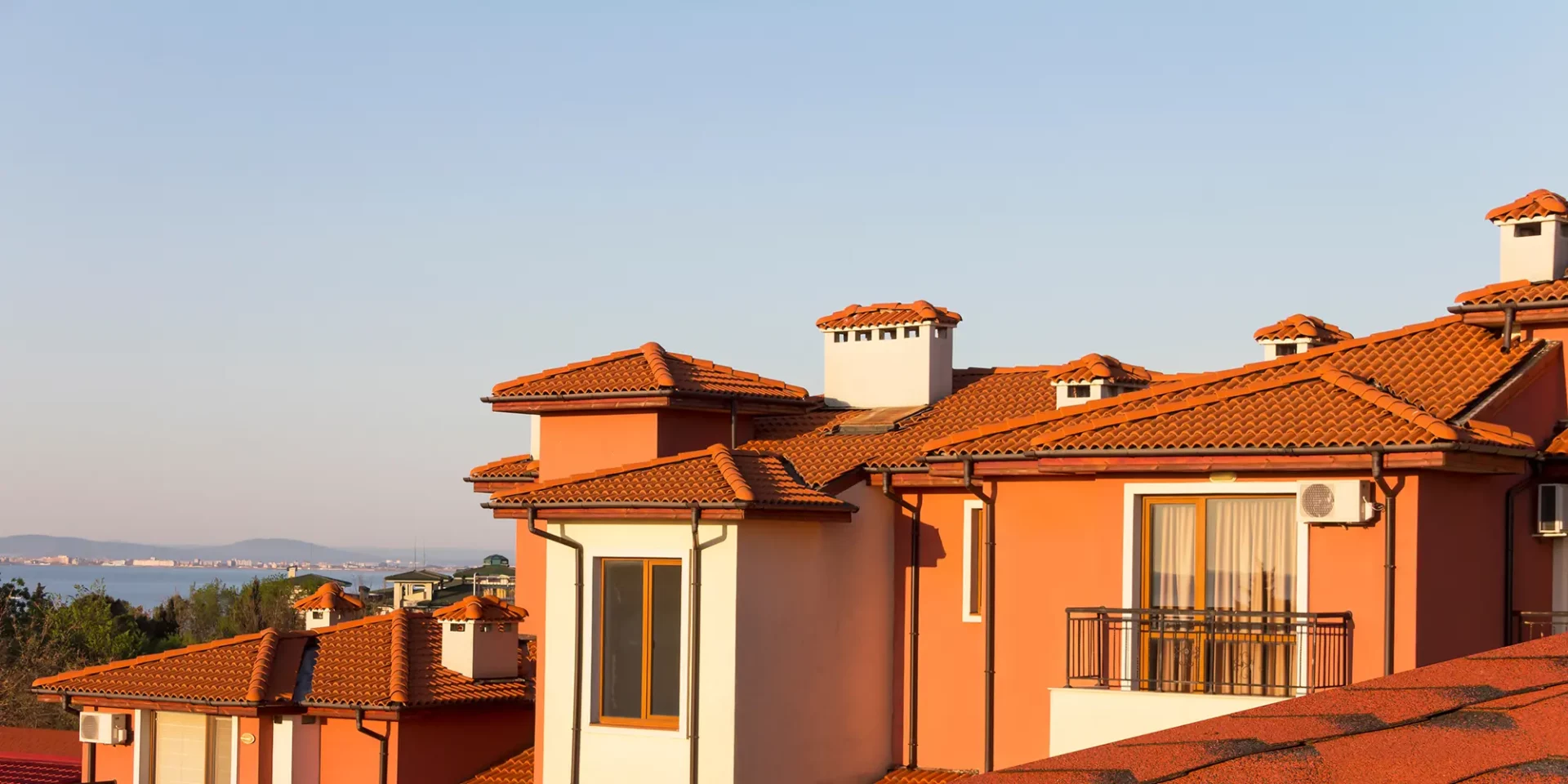
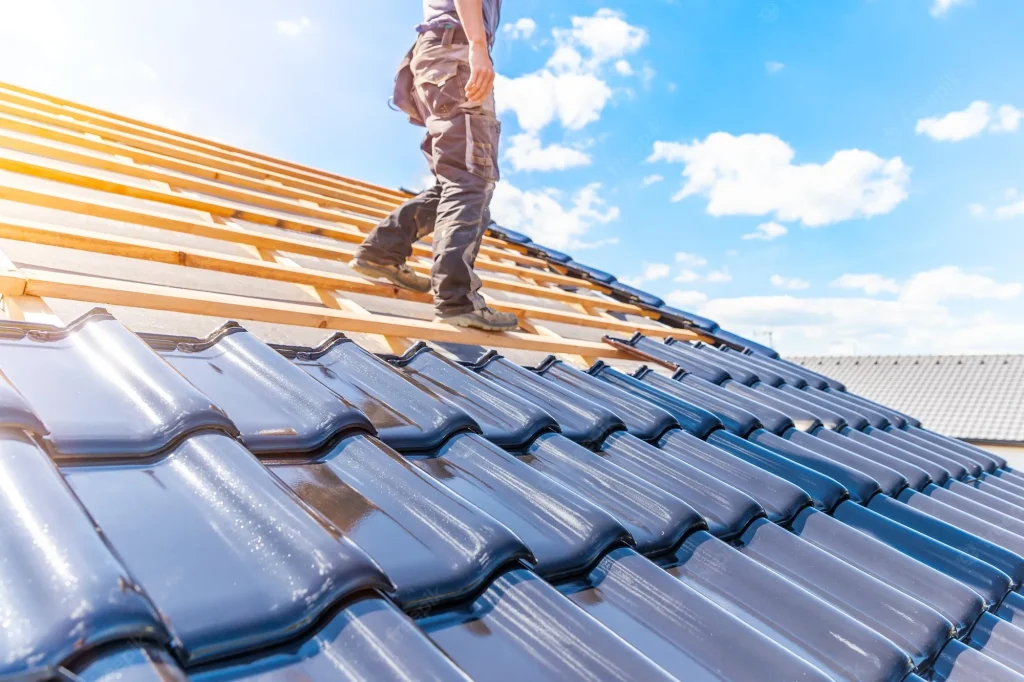
Roofing material. Asphalt shingle repairs are generally the cheapest to fix because materials are inexpensive and widely stocked. Tile roof repairs cost more — a single cracked concrete or clay tile might only run $150 to $400, but tile work requires more careful labor since walking on an unbraced tile roof can crack additional tiles that weren’t originally damaged. Metal roof repairs fall somewhere in between; a simple fastener or seam fix might be a few hundred dollars, while a multi-panel storm repair can run into the low thousands.
How long the leak has been active. This is the single biggest cost multiplier we see. A leak caught within a day or two of a storm is often a straightforward flashing or shingle fix. The same leak left for two or three weeks frequently means the plywood decking underneath has absorbed water, which turns a $400 repair into a $1,500 one because now the crew has to cut out and replace rotted wood before they can even touch the roofing material.
Access and roof pitch. A single-story home with a low-slope roof is faster and safer to work on than a steep, multi-story roof. Steeper pitches typically require additional safety equipment and slower, more careful labor, which shows up in the labor line of your estimate.
Permit requirements. Not every repair needs a permit, but larger repairs — particularly ones involving structural decking replacement — typically do in Hillsborough and Pinellas County. Permit costs generally run in the low hundreds and are usually rolled into your total quote rather than billed separately.
Insurance involvement. If the damage is storm-related, your out-of-pocket cost may end up being just your deductible rather than the full repair price. We’ll walk through how that process works in our guide on what to do after storm damage.
Repair Cost by Roofing Material
| Material | Minor Repair | Moderate Repair | Major Repair |
|---|---|---|---|
| Asphalt Shingle | $250–$500 | $500–$1,200 | $1,200–$3,500 |
| Concrete/Clay Tile | $150–$400 | $400–$1,500 | $1,500–$5,000 |
| Metal | $300–$700 | $700–$1,800 | $1,800–$4,000+ |
| Flat/TPO/EPDM | $150–$600 | $600–$1,500 | $1,500–$5,000 |
These ranges reflect typical residential jobs in the greater Tampa Bay area and will shift based on the specific factors above. A written, itemized quote after an in-person inspection is the only way to get an accurate number for your specific roof.
Signs You Need a Repair Sooner Rather Than Later
Florida’s rainy season and hurricane exposure mean small roof issues rarely stay small for long. Watch for:
- Granules collecting in gutters or at the base of downspouts (a sign shingles are wearing thin)
- Daylight visible through the attic roof deck
- Water stains on interior ceilings, especially after rain
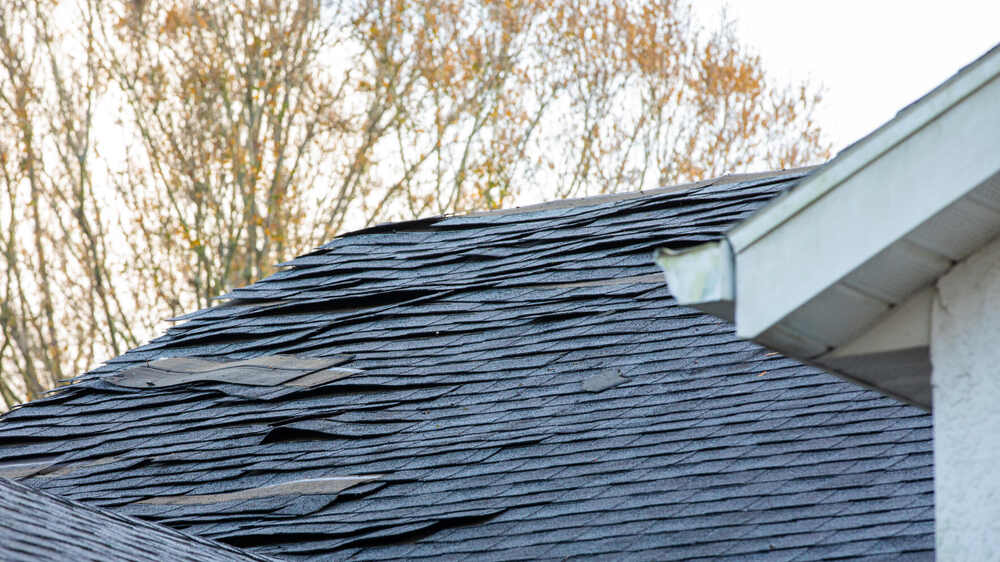
- Curling, cracked, or missing shingles
- Cracked or slipped tiles, particularly after wind events
- Soft spots when walking the roofline (a sign of decking damage)
If you’re seeing any of these, an inspection now is almost always cheaper than waiting. We cover the full list of warning signs, including a few homeowners commonly miss, in our article on signs your Tampa Bay roof needs immediate repair.
Repair vs. Replacement: When the Math Changes
There’s a point where repair costs stop making sense compared to a full roof replacement — Florida’s building code even has a specific rule for this. If more than 25% of your roof has sustained damage, code often requires the entire roof (or at minimum, that roof section) to be brought up to current wind-rating standards rather than patched, which can turn a repair job into a replacement project regardless of what you’d originally planned to spend. Your contractor should walk you through this if it applies, and we go into more detail on how to tell repair and replacement apart in our comparison guide.
Getting an Accurate Quote
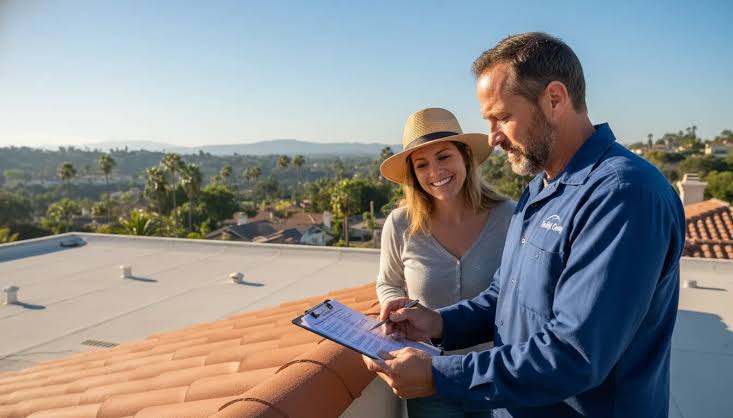
The cost ranges above are a starting point, not a quote. The only reliable way to know what your specific repair will cost is a physical inspection — someone needs to get on the roof, check the decking condition where accessible, and look at the full scope of the damage rather than just what’s visible from the ground.
A few things worth asking any contractor before you agree to a repair:
- Is the quote itemized by material and labor, or a flat number?
- Does the quote include a decking inspection, or is that priced separately if rot is found?
- Is a permit required for this repair, and is it included in the price?
- What warranty applies to the repair itself, separate from any manufacturer material warranty?
A contractor who can’t answer these clearly, or who quotes a firm price without ever getting on your roof, is a red flag worth taking seriously.
Free Inspections Before You Commit
If you’re dealing with a leak, storm damage, or just want to know where you stand before hurricane season, a free, no-obligation inspection is the fastest way to get real numbers instead of estimates from an article. Our team inspects roofs across Tampa, Clearwater, St. Petersburg, and Largo and provides a written, itemized quote the same day in most cases.
Call (727) 439-1844 to schedule a free roof inspection, or request your quote online.
Frequently Asked Questions
How much does roof repair cost in Tampa, FL?
Most Tampa roof repairs cost between $250 and $1,800, depending on the extent of the damage and the roofing material. Minor repairs (a few shingles, a pipe boot) run $250–$650. Moderate repairs involving flashing or a small leak run $650–$1,800. Major repairs with decking damage can reach $4,500 or more.
Does homeowners insurance cover roof repair costs in Tampa?
It depends on the cause. Sudden, storm-related damage (wind, hail, a fallen tree limb) is typically covered under a standard homeowners policy, often leaving you responsible for just your deductible. Gradual wear, age-related deterioration, or lack of maintenance usually isn’t covered. A contractor can help document the cause of damage for your claim.
How much does it cost to fix a roof leak in Tampa?
A single leak, if caught early, usually costs $250 to $900 to repair — the range depends on whether it’s a simple flashing or shingle fix versus a leak that’s reached the decking. Leaks left unaddressed for weeks often cost significantly more because of water damage to the wood underneath.
Is it cheaper to repair or replace a roof in Tampa?
Repair is almost always cheaper upfront, but it isn’t always the right long-term choice. If your roof is older, has widespread wear, or the damaged area exceeds 25% of the total roof under Florida’s building code, replacement may be required or simply more cost-effective than repeated repairs. A free inspection can tell you which situation applies to you.
How much does tile roof repair cost in Tampa?
A single cracked or broken tile typically costs $150 to $400 to replace. Small storm-damaged sections run $400 to $2,500. Repairs involving underlayment or deck work under the tile can run $1,000 to $5,000 or more, since removing and resetting tile without breaking additional pieces takes more careful, specialized labor.
Do I need a permit to repair my roof in Tampa?
Small cosmetic repairs typically don’t require a permit. Larger repairs — particularly those involving structural decking replacement or a significant percentage of the roof surface — usually do under Hillsborough County code. Your contractor should tell you upfront whether your specific repair needs one and include that cost in your quote.
How do I find a reliable roofer for repairs near me in Tampa?
Look for a contractor who is licensed and insured in Florida, provides a written itemized estimate after an in-person inspection (not a phone quote), and offers a workmanship warranty separate from the manufacturer’s material warranty. Reading recent local reviews and confirming their permit history with the county are also good ways to verify legitimacy before signing anything. You can also read customer testimonials from Tampa Bay homeowners to get a better sense of the experiences other customers have had.