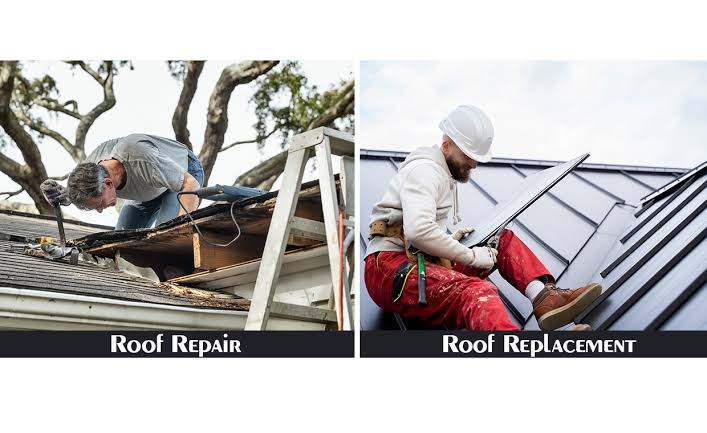
A roof usually needs repair rather than replacement when the damage is isolated, the roof is under 15 years old, and less than 25% of the surface is affected. Replacement typically makes more sense when the roof is older, damage is widespread, or Florida’s building code requires it. The line between the two isn’t always obvious from the ground, which is why this decision usually comes down to an honest inspection rather than a guess — but there are clear signals that point one way or the other before you even call someone.
The Florida 25% Rule, Explained Plainly
Florida’s building code includes a provision often called the “25% rule”: if more than 25% of a roof’s surface needs to be repaired or replaced within a 12-month period, the entire roof — or in some cases the entire roof section — has to be brought up to current code, which usually means a full replacement rather than a patch. This exists because older roofs weren’t built to today’s wind-rating standards, and code officials don’t want a roof that’s half old, non-compliant material and half new.
This matters most for homes with roofs installed before 2007, when Florida’s wind-borne debris and uplift standards changed significantly after a string of major hurricanes exposed weaknesses in older construction. If your roof falls into that pre-2007 category and you’re facing anything beyond a minor, isolated repair, ask your contractor directly whether the 25% rule applies to your situation — a reputable one will tell you upfront rather than quietly patching around it.
For a broader overview of roofing materials, maintenance, repairs, and replacement considerations in the area, see our Complete Tampa Bay Roofing Guide.
Signs You Likely Just Need a Repair
• Damage is limited to one section — a single valley, one area of missing shingles, a localized leak
• The roof is relatively young (generally under 10–15 years for shingle, longer for tile and metal)
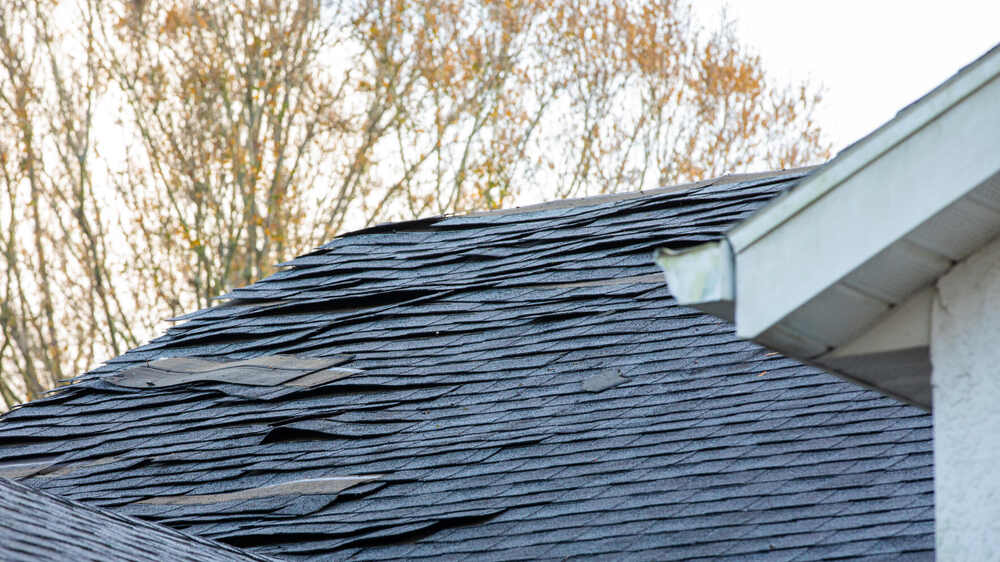
• The rest of the roof, when inspected, shows no widespread granule loss, curling, or brittleness
• The issue stems from a single, identifiable event — a fallen branch, a failed flashing seal — rather than general wear
If the problem is localized, professional Tampa Bay roof repair may be enough to restore the roof without the cost of a full replacement.
Signs You’re Looking at Replacement
• Age. As you consider the age of your roof, remember that lifespan varies considerably by material. Asphalt shingles generally have a shorter service life than tile or metal systems. You can learn more about available shingle roofing options if your existing roof is approaching the end of its useful life.
• Widespread wear across the whole roof, not just one trouble spot — curling shingles, multiple cracked tiles scattered across different sections, or granule loss visible in gutters throughout the property.
• Repeated leaks in different locations over time, which usually signals the underlayment itself is failing, not just the visible roofing material above it.
• Storm damage exceeding the 25% threshold, which may make repair a non-option under code regardless of preference.
• Sagging rooflines or soft decking felt underfoot, which points to structural issues repair alone won’t fix.
When replacement is appropriate, a professional roof replacement in Tampa Bay can address the roofing system as a whole rather than continuing to patch individual problem areas.
The Cost Comparison, Realistically
Repair is almost always cheaper in the short term — a moderate Tampa repair typically runs $650 to $1,800, compared to $13,000 to $30,000+ for a full replacement depending on size and material (we break this down by material in our replacement cost guide). But that comparison misses a factor a lot of homeowners find out the hard way: the cost of repeated repairs on an aging roof adds up.
If you’re facing your second or third repair call within a couple of years, it’s worth asking your contractor to compare the total cost of continued patching against the cost of replacement amortized over the roof’s remaining useful life.
There’s also the insurance angle. Roofs nearing the end of their expected lifespan sometimes become harder or more expensive to insure, and some Florida carriers now require roof age documentation or inspections before renewing a policy. A newer roof can sometimes reduce your premium enough to offset part of the replacement cost over time.
What an Honest Inspection Should Cover
When you get an inspection to help make this decision, it should include more than just a look at the damaged area. A thorough assessment covers:
- The condition of the roof deck (plywood or OSB underneath), checked wherever accessible
- The age and general condition of the underlayment, not just the visible shingles or tiles
- Flashing condition around every penetration — chimneys, vents, skylights
- Whether the damaged area alone, or the whole roof, would need to come up to current code under the 25% rule
- A comparison of repair cost versus replacement cost with actual numbers, not just a recommendation
If a contractor recommends full replacement without walking you through these points, or recommends repair on a roof that’s clearly at the end of its life without mentioning the tradeoffs, get a second opinion.
A Note on Insurance-Driven Decisions
If your situation involves an insurance claim, the decision isn’t always entirely yours to make — the insurance adjuster’s assessment plays a role, and carriers sometimes push toward repair to minimize payout even when replacement is the more sound long-term call, or vice versa.
Having your own contractor’s written assessment, ideally with them present at the adjuster meeting, gives you a second, independent voice in that conversation. We go into this process in more detail in our guide on what to do after storm damage.
If the damage resulted from a hurricane, fallen tree, or another sudden event that has left the roof exposed, emergency roofing services can help stabilize the property while the permanent repair or replacement decision is being made.
Making the Call
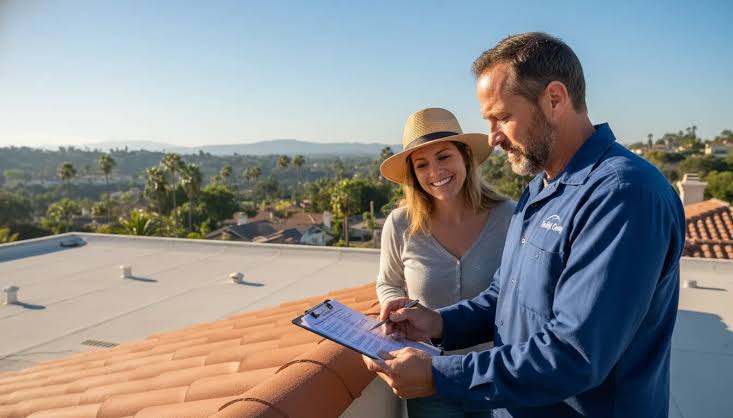
If you’re unsure which category your roof falls into, the safest move is a free inspection rather than trying to diagnose it from the ground or from photos. A contractor who’s actually walked the roof and checked the decking can tell you definitively whether you’re looking at a repair, and roughly what that repair will cost, or whether you’re better served putting that money toward a replacement instead.
Call (727) 439-1844 for a free roof inspection and an honest repair-vs-replacement recommendation.
Frequently Asked Questions
How do I know if I need a roof repair or full replacement in Tampa?
The decision generally comes down to the age of your roof, how widespread the damage is, and whether Florida’s 25% rule applies. Isolated damage on a roof under 15 years old is usually a repair. Widespread wear, an aging roof, or damage covering more than a quarter of the surface often points to replacement.
What is Florida’s 25% roof rule?
It’s a building code provision requiring that if more than 25% of a roof needs repair within a 12-month period, the entire roof (or section) must be brought up to current wind-rating code, which typically means full replacement rather than a partial repair — especially relevant for roofs installed before 2007.
Is it cheaper to repair or replace a roof?
Repair is cheaper upfront in almost every case, but repeated repairs on an aging roof can eventually cost more over time than a single replacement, particularly once a roof is past 15–18 years old and starting to show widespread wear rather than isolated damage.
How long does a typical roof last in Tampa’s climate?
Asphalt shingle roofs generally last 18–22 years in Florida’s heat and humidity, somewhat less than in cooler climates. Concrete and clay tile roofs can last 40–75 years, and metal roofs typically last 40–50 years, though underlayment beneath any of these materials often needs attention sooner.
Will my insurance company decide whether I get a repair or replacement?
Your insurance adjuster’s assessment influences the outcome if you’re filing a claim, but it isn’t the only voice in the decision. Having your own contractor present a separate written assessment, and ideally meet the adjuster on-site, gives you an independent perspective in that process.
Can I just keep repairing my roof instead of replacing it?
Sometimes, if damage stays isolated and the roof is otherwise sound. But once a roof starts generating repeat leaks in different spots or approaches the end of its expected lifespan, repeated repairs often become a more expensive path than replacement over a few years.