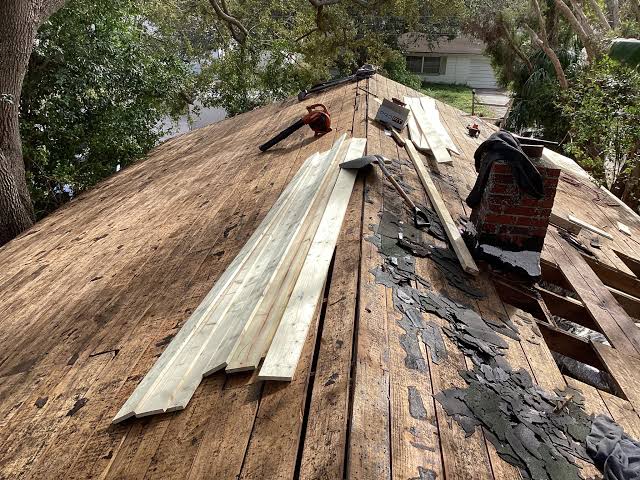
The most common roofing problems in St. Petersburg, FL are humidity-driven mold and wood rot, salt air corrosion near the waterfront, aging roofs on the city’s many historic homes, and wind damage from Gulf-facing storm exposure. St. Petersburg’s mix of older housing stock, waterfront proximity, and Florida’s characteristic heat and humidity creates a specific set of roofing challenges that differ somewhat from what you’d see in newer inland developments elsewhere in Tampa Bay.
Humidity and Mold Growth
St. Petersburg’s year-round humidity, combined with limited attic ventilation in many older homes, creates conditions where mold and mildew can develop on roof decking and in attic spaces even without an active leak. This is a slower, less obvious problem than storm damage — it develops gradually and is often first noticed as a musty smell or dark staining in the attic rather than an obvious leak.
The fix: Proper attic ventilation is the primary defense — ridge vents, soffit vents, or powered attic fans that keep air moving and prevent moisture buildup. If mold is already present, it typically needs professional remediation alongside addressing the ventilation issue that allowed it to develop in the first place, not just a surface treatment.
For a broader overview of roofing conditions and maintenance considerations throughout the area, see our Complete Tampa Bay Roofing Guide.
Salt Air Corrosion Near the Waterfront
Homes in waterfront and near-waterfront St. Petersburg neighborhoods face accelerated corrosion on exposed metal roofing components — fasteners, flashing, gutters — similar to what coastal Clearwater experiences. This shows up as premature rusting around nail heads and flashing edges, sometimes years before the material’s rated lifespan would suggest.
The fix: Salt-air-rated fasteners and protective coatings on metal components significantly slow this process. If you’re in a waterfront St. Petersburg neighborhood and due for repair or replacement work, this is worth raising specifically with your contractor.
Metal roofing can also be an option for homeowners considering long-term durability. Our guide on whether a metal roof is really worth the upfront cost explains some of the factors homeowners should consider.
Aging Roofs on Historic Homes
St. Petersburg has significant historic housing stock, particularly in neighborhoods like Old Northeast and Historic Kenwood, where many roofs are original or long overdue for replacement. Historic district requirements can also add complexity — some areas have specific material or aesthetic requirements for roof replacement to maintain the neighborhood’s historic character, which can affect both cost and material options.
The fix: If you’re in a historic district, check with the city’s historic preservation office before assuming you can install any roofing material you’d like — some districts require specific shingle profiles or colors, and getting this wrong can mean redoing the work. Budget for a modest premium over standard replacement costs in these areas to account for these requirements.
Wind Damage from Gulf-Facing Exposure
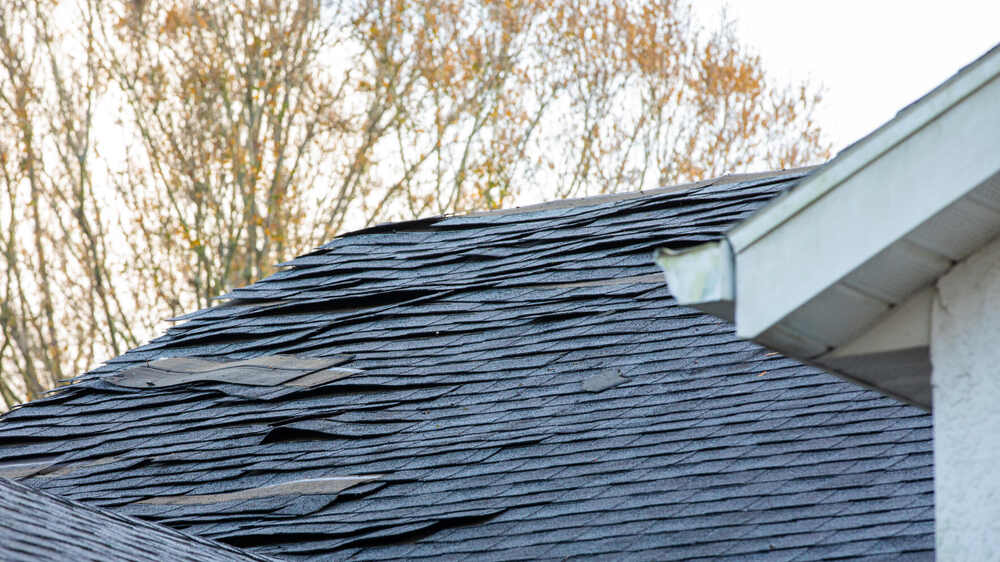
Like Clearwater, St. Petersburg’s position facing the Gulf means roofs experience more sustained wind stress than fully inland properties, in addition to the more dramatic wind events during hurricane season. This gradually loosens shingle edges and tile alignment over time, not just during a single storm.
The fix: Proper installation technique — correct nailing patterns, sealant strip activation on shingles, secure tile fastening — makes a meaningful difference in wind performance. If you’re getting repair work done, ask your contractor about their specific wind-resistance installation practices rather than assuming standard technique is sufficient for the exposure level.
If wind has already caused missing shingles, damaged flashing, cracked tiles, or other problems, timely repair can help prevent a small issue from becoming a much larger leak. Our guide to roof repair costs in Tampa provides useful context on common repair scopes and pricing factors.
Flat Roof Issues on Downtown Condos and Lofts
St. Petersburg’s downtown area, including the Edge District, Grand Central District, and Innovation District, has a significant number of condo and loft buildings with flat or low-slope roofing systems. These face different problems than pitched residential roofs — primarily ponding water and membrane seam failures over time.
The fix: Flat roof systems need more frequent inspection than pitched roofs, since ponding and seam issues aren’t always visible without getting on the roof directly. If you’re in a downtown condo or loft, this is often a building association responsibility rather than an individual homeowner one, but it’s worth knowing what to watch for and raising concerns proactively.
Tile Roof Issues Common to Waterfront Homes
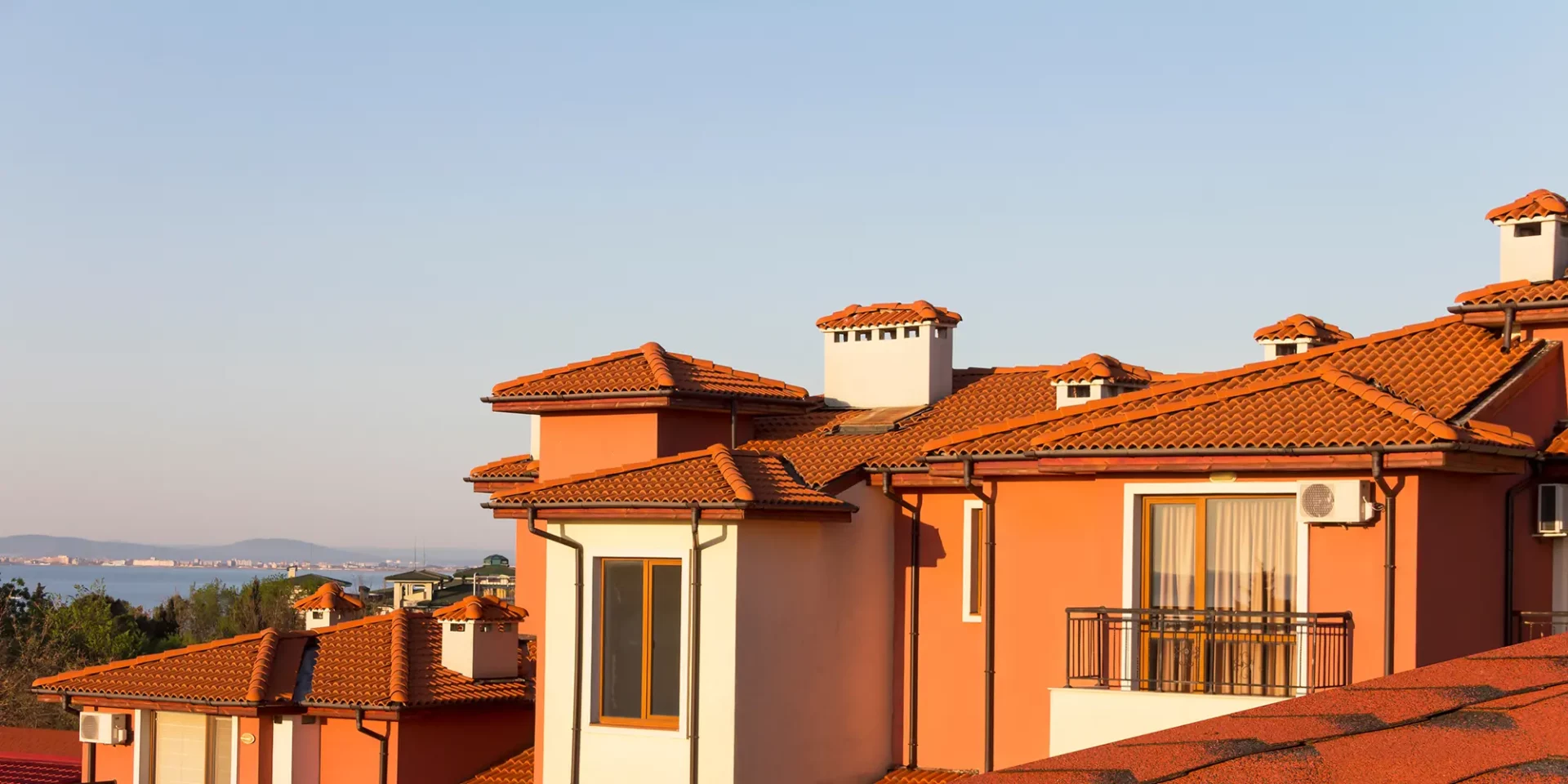
Tile is common on St. Petersburg’s waterfront and higher-end properties, and while durable, it does develop specific issues: individual cracked tiles from debris or foot traffic, and in older installations, degrading underlayment beneath tiles that are otherwise intact. Since the tile itself can look fine while the underlayment beneath fails, tile roofs sometimes hide problems longer than shingle roofs would show them.
The fix: Periodic underlayment inspection, even without visible tile damage, is worth considering on older tile roofs — particularly ones original to the home if the property itself is more than 20 years old.
If you’re considering tile roofing or need to understand the installation process, our detailed guide on tile roof installation covers important considerations for homeowners.
When to Call a Professional vs. Monitor
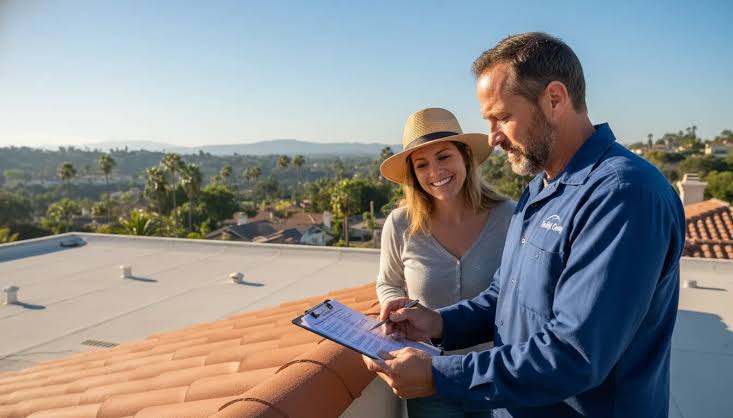
Minor issues — a single cracked tile, slight granule buildup in gutters — are worth monitoring and scheduling a repair within a reasonable window. Signs that warrant a prompt professional inspection include any active leak, a musty attic smell suggesting hidden moisture, visible sagging, or storm damage after a significant wind event.
When in doubt, a free inspection costs nothing and gives you a clear answer rather than continued uncertainty.
Free Roof Inspections in St. Petersburg
Our team is familiar with the specific challenges St. Petersburg homes face, from historic district requirements to waterfront corrosion concerns. A free inspection identifies problems early, before they become larger repairs.
Call (727) 439-1844 to schedule a free roof inspection in St. Petersburg.
You can also visit Roofers Near Me to learn more about our roofing services or contact our team to request an inspection or written estimate.
Frequently Asked Questions
Why does my roof have mold in the attic even though I don’t see any leaks?
Humidity and poor attic ventilation can cause mold growth on decking and framing without an active leak being the cause. This is especially common in older St. Petersburg homes with limited or outdated ventilation systems.
Do I need special permission to replace a roof on a historic St. Petersburg home?
If your home is in a designated historic district, such as Old Northeast or Historic Kenwood, you may need to follow specific material or aesthetic guidelines set by the city’s historic preservation office. Check before starting any replacement project to avoid needing to redo the work.
How much does roof repair cost in St. Petersburg, FL?
Minor repairs typically run $250 to $900, with moderate repairs involving flashing or wider leak areas running $900 to $2,500 depending on scope and material. Costs can run somewhat higher in historic districts due to material requirements.
Are downtown St. Petersburg condo roofs my responsibility to maintain?
For flat or low-slope roofing on multi-unit downtown buildings, roof maintenance is typically the responsibility of the condo or building association rather than individual unit owners, though it’s worth confirming your specific building’s arrangement.
How does salt air affect roofs in waterfront St. Petersburg neighborhoods?
Salt-laden air accelerates corrosion on exposed metal roofing components like fasteners and flashing, sometimes causing premature rust and deterioration years before the material’s expected lifespan. Salt-air-rated hardware and coatings help slow this process.
Can a tile roof hide underlayment problems in St. Petersburg?
Yes — tile itself can look intact while the underlayment beneath degrades from age or prior minor damage, since the visible tile doesn’t always reflect what’s happening underneath. Periodic underlayment inspection is worth considering on older tile roofs, even without obvious tile damage.