Common roof problems in Clearwater, FL include salt air corrosion on metal components, wind-lifted shingles and tiles from Gulf-facing exposure, UV-accelerated shingle wear, and flashing failures around chimneys and vents. Clearwater’s coastal position means roofs here face a slightly different set of stresses than inland Tampa Bay homes — salt-laden air, near-constant Gulf breeze, and direct sun exposure that doesn’t let up for most of the year. Understanding which problems are common locally helps you catch them before they become expensive.
For homeowners looking for professional roofing services throughout the area, visit the Roofers Near Me Florida to learn more about available roofing services.
Salt Air Corrosion
This is the issue that sets coastal Pinellas County apart from more inland areas. Salt air carried in from the Gulf accelerates corrosion on any exposed metal roofing components — fasteners, flashing, gutters, and metal roof panels themselves. Homes within a mile or two of the water see this most acutely, but even properties further inland in Clearwater aren’t fully immune.
What this looks like in practice: rusting around nail heads and flashing edges well before you’d expect it based on the material’s rated lifespan, and metal roofing systems that may need protective recoating or component replacement sooner than the same product would require in a non-coastal area. If you’re choosing roofing material for a Clearwater home, ask your contractor specifically about salt-air-rated fasteners and coatings — the upcharge is generally modest compared to the cost of premature corrosion repair.
If you’re considering metal roofing for a coastal property, our guide on whether a metal roof is worth the upfront cost covers the long-term considerations to discuss with your contractor.
Wind-Lifted Shingles and Tiles
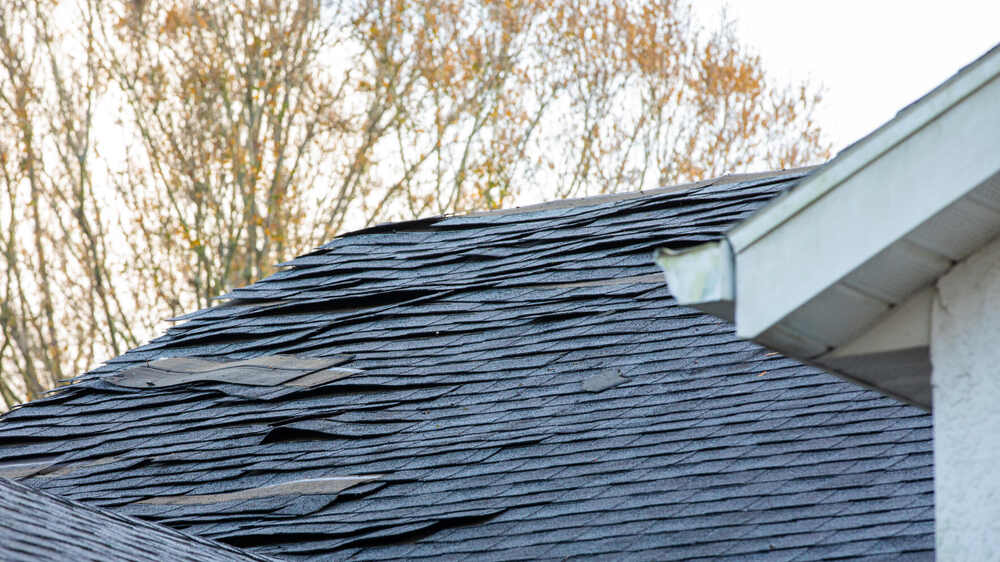
Clearwater’s exposure to Gulf winds, including the sustained breeze that’s part of daily life here even outside of storm season, puts more consistent stress on roofing material than you’d see in a more sheltered inland location. Shingle edges and tile alignment can loosen gradually over years of this steady wind exposure, not just during a single named storm event.
This is why proper installation technique matters more here than in calmer climates — architectural shingles installed with the correct nailing pattern and sealant strip activation hold up dramatically better against sustained wind than the same product installed to minimum standard. If you’re getting repair or replacement work done, it’s worth asking your contractor specifically about their wind-resistance installation practices, not just the material’s rated wind speed on paper.
UV Degradation
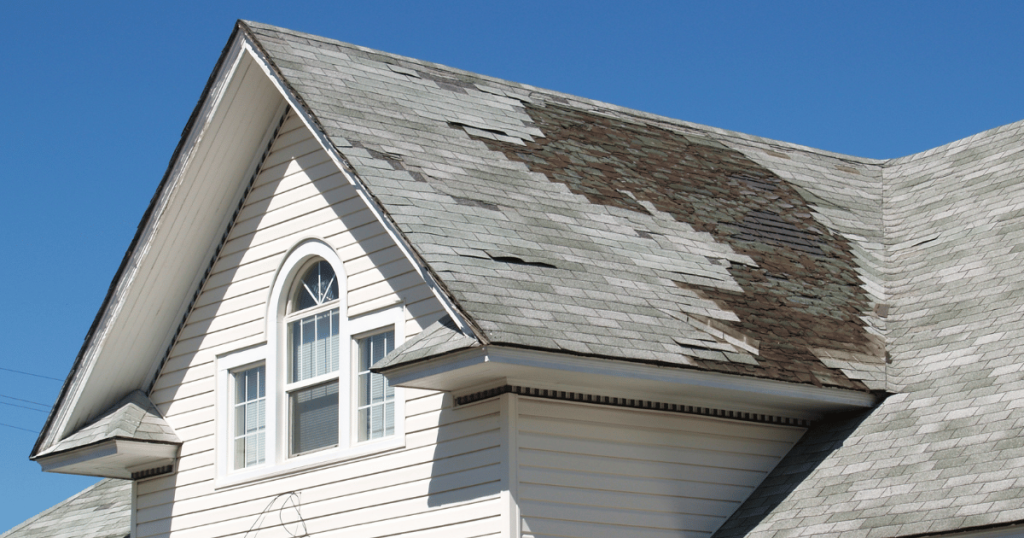
Clearwater sees an enormous amount of direct sun exposure across the year, and UV radiation is one of the primary agers of asphalt shingle roofing — it breaks down the asphalt binders and causes the protective granule coating to shed faster than it would in a less sun-intense environment. This shows up as premature curling, brittleness, and granule loss, sometimes years ahead of the material’s expected lifespan on paper.
Lighter-colored shingles reflect more heat and UV than darker ones, which is worth considering if you’re replacing a roof and don’t have a strong preference either way — the difference in attic temperature and material longevity can be meaningful over the roof’s lifetime.
If the damage has progressed beyond isolated repairs, our guide on roof replacement costs in Clearwater, FL explains the factors that can affect the cost of a complete replacement.
Flashing Failures
Flashing — the metal or sealed material around roof penetrations like chimneys, vents, and skylights — is a common failure point across Florida generally, but Clearwater’s combination of salt air and sun exposure accelerates the sealant breakdown that leads to flashing leaks. This is also one of the most commonly missed sources of a leak, since water often enters at the flashing and travels along the roof deck before showing up as a ceiling stain well away from the actual entry point.
Flashing problems are often repairable when caught early, which is why regular inspections can prevent a relatively small issue from turning into extensive water damage.
Ponding on Flat and Low-Slope Sections
Many Clearwater homes, particularly those with additions, porches, or Florida rooms, have flat or low-slope roof sections using TPO, EPDM, or modified bitumen material. These sections are prone to ponding — standing water that doesn’t drain properly due to a slight structural settling or improper original slope — which accelerates material breakdown at the ponding location well before the rest of the section shows wear.
Tile Cracking from Impact and Foot Traffic
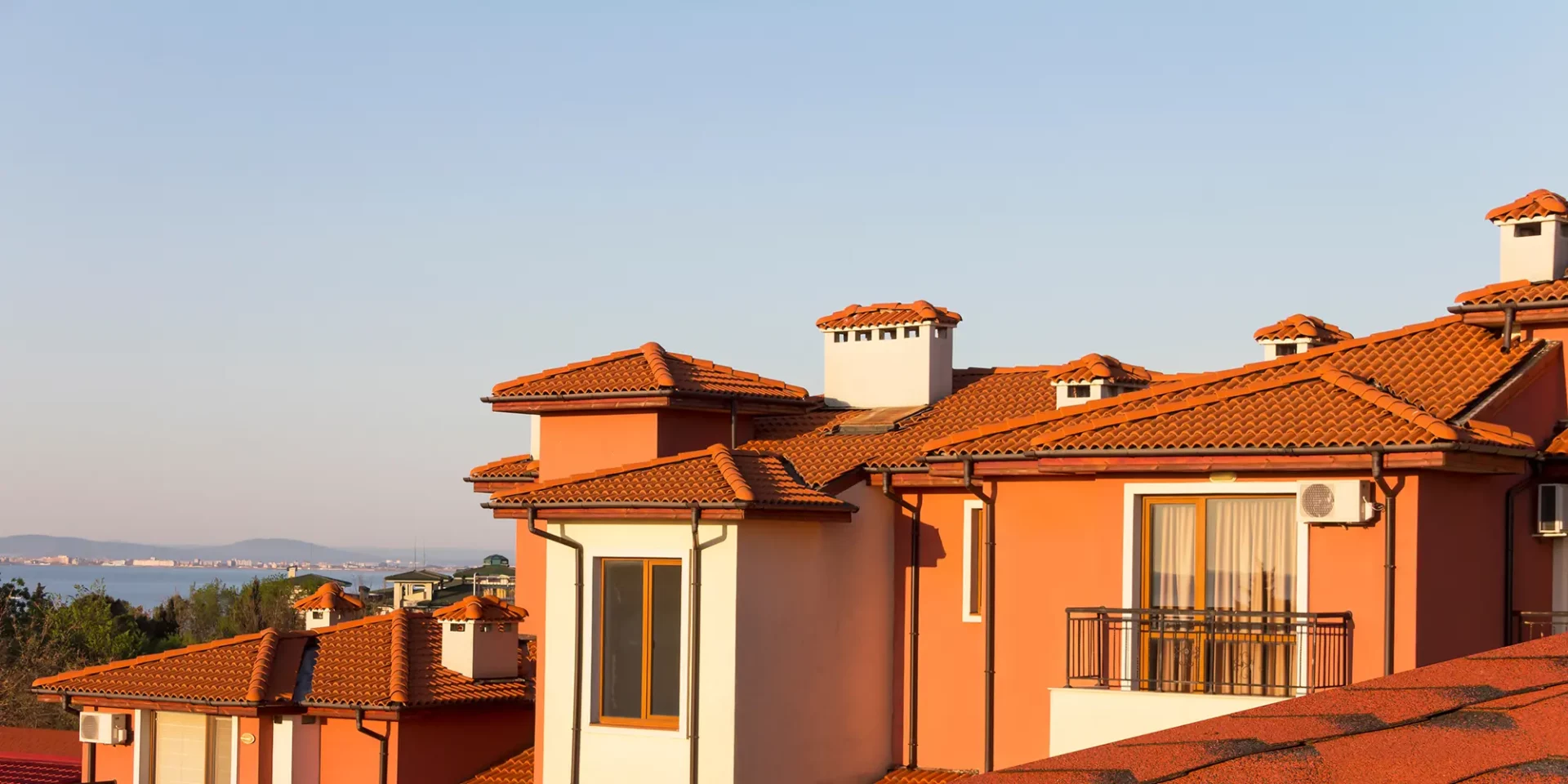
Concrete and clay tile are extremely common on Clearwater homes and generally hold up well to the coastal environment, but individual tiles do crack from falling debris, foot traffic (including from previous unrelated repair or maintenance work, like cable or satellite installation), or age-related brittleness in older clay tile specifically. A single cracked tile isn’t usually an emergency, but leaving it unaddressed exposes the underlayment beneath to direct sun and rain, which degrades faster than the surface tile itself.
For homeowners considering tile as a replacement option, our guide to tile roof installation and what you need to know explains some of the important factors to consider before installation.
What This Means for Maintenance
Given these coastal-specific stresses, Clearwater homeowners generally benefit from:
- Annual inspections, ideally including a look at flashing and any exposed metal components specifically for early corrosion signs
- Prompt attention to individual cracked or slipped tiles rather than letting them accumulate
- Gutter checks for granule buildup as an early warning sign of UV-driven shingle wear
- A post-storm inspection after any significant wind event, even without visible damage from the ground
For more information about common roofing problems, maintenance, repairs, and replacement throughout the region, you can also explore our Complete Tampa Bay Roofing Guide.
Getting the Right Repair for Coastal Conditions
Not every roofer accounts for Clearwater’s specific coastal factors — a contractor used to working purely inland jobs may not think to recommend salt-air-rated fasteners or extra attention to flashing sealant. When getting a repair quote, it’s worth asking directly whether the materials and techniques being proposed account for coastal exposure, particularly if your home is within a couple of miles of the water.
A proper inspection should identify the source of the problem rather than simply treating the visible symptom. This is particularly important with leaks because water can travel underneath roofing materials before appearing inside the home.
Free Roof Inspections in Clearwater
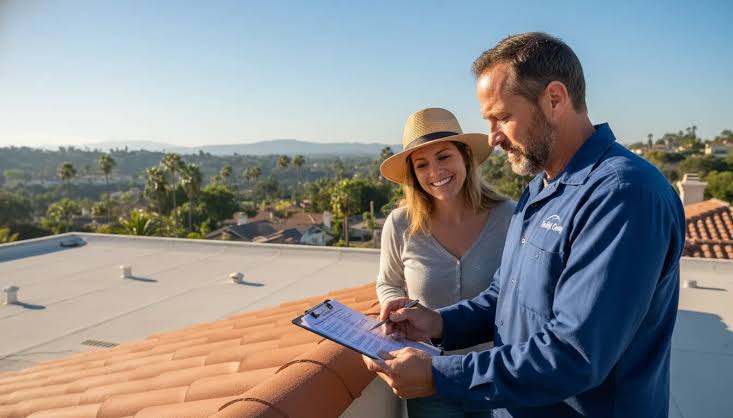
Our team regularly works on Clearwater roofs and understands the specific wear patterns coastal exposure creates. A free inspection can identify problems — including ones not yet causing visible leaks — before they become bigger repairs.
Contact Roofers Near Me to schedule your free roof inspection in Clearwater.
Call (727) 439-1844 to schedule your free roof inspection in Clearwater.
Frequently Asked Questions
Why do roofs wear out faster near the coast in Clearwater?
Salt-laden air accelerates corrosion on metal roofing components, and constant Gulf wind exposure puts more sustained stress on shingles and tile alignment than inland areas typically experience. Combined with intense year-round UV exposure, these factors shorten the practical lifespan of standard roofing materials near the water.
How much does roof repair cost in Clearwater, FL?
Minor repairs in Clearwater generally run $250 to $900, with moderate repairs involving flashing or a wider leak area running higher, often $1,000 to $2,500 depending on scope. Costs vary based on material and how much of the underlayment or decking is affected.
Should I choose different roofing materials for a coastal Clearwater home?
It’s worth discussing salt-air-rated fasteners and coatings for any metal components, and confirming your contractor uses installation techniques suited to sustained wind exposure. The material itself (shingle, tile, or metal) doesn’t necessarily need to change, but the specific hardware and installation approach matters more here than inland.
How often should Clearwater homeowners get roof inspections?
At least once a year, with an additional inspection after any significant storm or wind event. Coastal exposure means small issues like flashing sealant breakdown can develop before they’re visible from the ground, so a proactive annual check catches problems earlier than waiting for a leak.
Why do my roof tiles keep cracking in Clearwater?
Common causes include falling debris from nearby trees, foot traffic from unrelated maintenance work (like satellite dish installation), and age-related brittleness in older tile. Clearwater’s wind exposure can also gradually loosen tile alignment over time, making individual tiles more vulnerable to cracking from routine impact.
Is salt air corrosion covered by homeowners insurance in Florida?
Generally, no — gradual corrosion from environmental exposure is typically considered a maintenance issue rather than sudden covered damage. Sudden storm-related damage remains covered under most standard policies, but ongoing salt-air wear on metal components is usually the homeowner’s responsibility to address proactively.