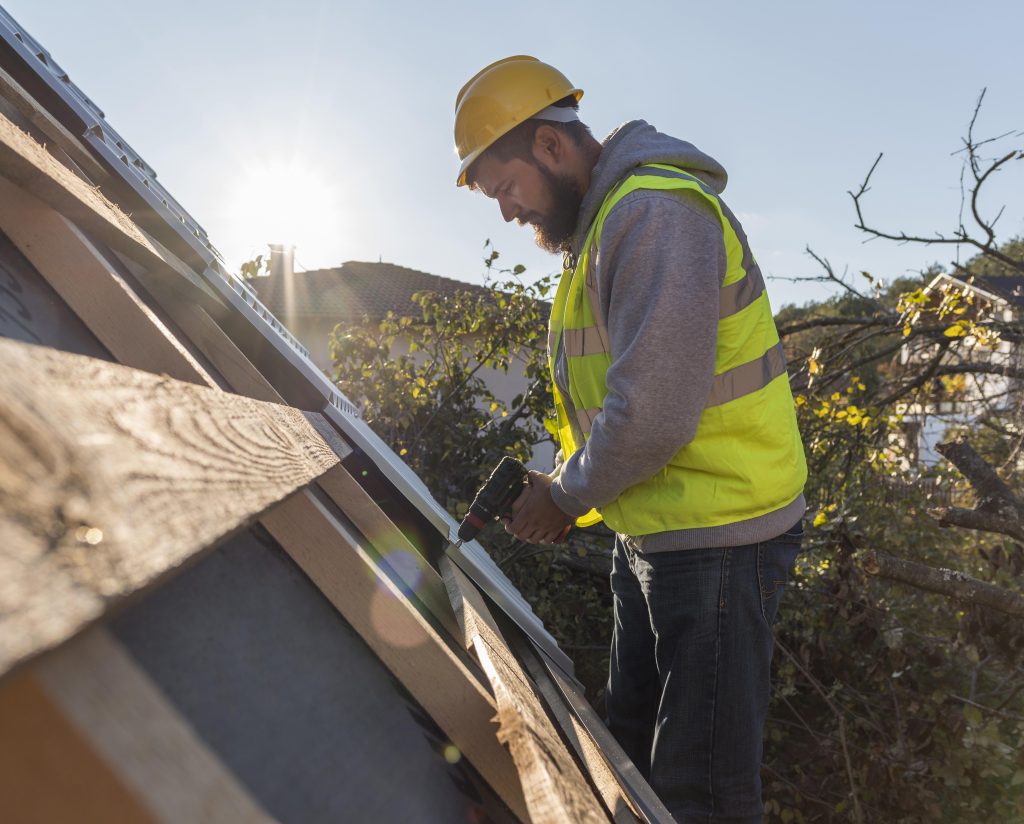
You likely need a new roof in Tampa if it’s approaching 18–20 years old, showing widespread curling or missing shingles, developing repeat leaks in different spots, or if a contractor’s inspection finds the decking or underlayment failing beneath the surface. A single sign doesn’t necessarily mean replacement — but several together, especially on an older roof, usually point away from another round of patch repairs and toward starting fresh.
For a broader look at Tampa Bay roofing materials, maintenance, repairs, and replacement, see our Complete Tampa Bay Roofing Guide.
1. The Roof Is Approaching or Past Its Expected Lifespan
Asphalt shingle roofs in Florida’s heat and humidity typically last 18 to 22 years — somewhat shorter than the 25–30 years you might see quoted for cooler, drier climates, because intense UV exposure and constant temperature swings accelerate material breakdown. If you know or can find out your roof’s install date and it’s nearing or past that range, age alone is a strong argument for planning a replacement, even if there’s no active leak yet.
2. Widespread Curling, Cracking, or Missing Shingles
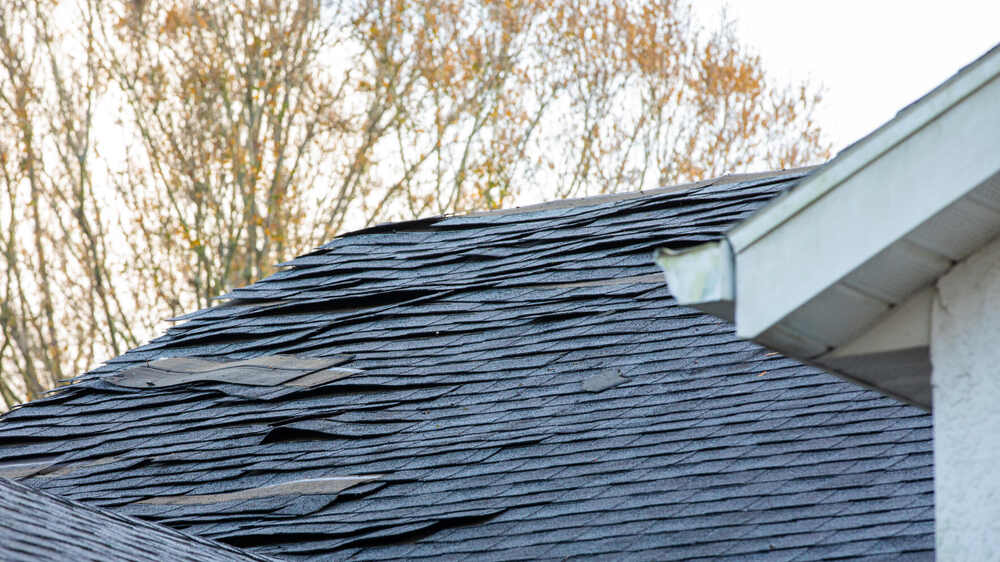
A few missing shingles after a storm is a repair. Shingles curling at the edges across large sections of the roof, or noticeable cracking throughout rather than in one isolated area, signals the material itself has reached the end of its functional life. At that point, patching individual spots becomes a losing game — you’re fixing symptoms while the underlying material continues to degrade everywhere else.
If the damage is still limited to a small area, replacement may not always be necessary. Our guide on roof repair costs in Tampa, FL explains what common repairs cost and when repair may make more sense than replacement.
3. Repeated Leaks in Different Locations
One leak is a repair. Leaks that keep appearing in different parts of the house over a year or two usually mean the underlayment — the water-resistant barrier beneath your visible roofing material — is failing broadly, not just at one weak point. Once the underlayment itself is compromised, no amount of surface-level shingle or tile repair actually solves the underlying problem.
Repeated leaks are also a good reason to have the entire roofing system inspected rather than simply calling someone to patch the newest leak.
4. Sagging Rooflines
A roofline that visibly dips, especially between rafters, points to structural water damage to the decking beneath the roofing material. This is one of the more serious signs on this list — sagging typically means moisture has been present long enough to weaken the wood itself, and it’s not something a surface repair addresses.
If you notice significant sagging or active water intrusion, have the roof professionally evaluated as soon as possible.
5. Extensive Granule Loss
Some granule shedding is normal as shingles age, but heavy, consistent granule loss — enough that your gutters regularly fill with what looks like coarse sand — means the protective coating is essentially gone across the roof. Without it, shingles lose their UV protection and degrade rapidly from that point forward.
Granule loss is especially important to monitor on older asphalt shingle roofs because it can be one of several indicators that the roofing material is reaching the end of its service life.
6. Visible Daylight or Moisture in the Attic Across Multiple Spots
A single pinprick of light or one damp area in the attic might be a localized repair. Daylight visible in several places, or widespread moisture staining on the underside of the deck, suggests the roofing system has failed broadly rather than at one identifiable point.
Your attic inspection can reveal problems that aren’t obvious from the ground, including damaged decking, moisture intrusion, and areas where the roofing system is no longer providing adequate protection.
7. Rising Energy Bills Without a Clear Explanation
An aging or failing roof often means degraded insulation, gaps around vents and penetrations, and a general loss of the roof’s ability to regulate heat transfer. If your cooling costs have climbed over a year or two without another explanation (rate changes, hotter summers, HVAC issues), a full roof assessment — not just a repair check — is worth adding to the list of things to investigate.
Roof material can also influence long-term energy performance. If you’re considering a replacement, our article on whether a metal roof is worth the upfront cost explains some of the long-term considerations homeowners should understand before choosing a material.
8. Storm Damage Exceeding Florida’s 25% Rule
If a contractor’s inspection after storm damage finds that more than a quarter of your roof needs repair, Florida building code generally requires the entire roof to be brought up to current wind-rating standards. In practice, this often makes replacement the only code-compliant path forward, regardless of what you’d have preferred to spend. This is especially common on roofs installed before 2007, before current wind standards took effect.
Because code requirements can depend on the specific circumstances and scope of work, homeowners should have a qualified roofing professional evaluate the damage and explain what requirements apply to their property.
9. Your Roof Is Failing Inspections Tied to Insurance or Home Sale
If you’re selling your home, refinancing, or renewing a homeowners insurance policy, and the required inspection flags your roof’s age or condition as a concern, that’s an external, professional confirmation worth taking seriously. Some Florida insurers are increasingly strict about roof age, and a flagged inspection can affect insurability or resale terms even before the roof shows obvious problems day to day.
Getting an independent inspection and a written assessment can help you understand exactly what condition your roof is in before making a major financial decision.
What a Roof Replacement Actually Solves
Beyond stopping the immediate concern (leaks, storm vulnerability, insurance issues), a full replacement resets the clock on the entire system — new underlayment, updated flashing, and materials rated to current Florida wind codes, which older roofs simply weren’t built to meet. It’s also often the point where homeowners upgrade to a longer-lasting material like metal or tile if they’re planning to stay in the home long-term, since the labor cost of a full tear-off is already being spent regardless of material choice.
Tile can be an especially long-lasting option, but it requires specialized installation and structural considerations. If you’re considering this material, read our guide to tile roof installation and what to know before buying.
Before You Commit: Get a Second Opinion If Something Feels Off
Replacement is a significant expense, and it’s worth being confident in the recommendation before committing. If you’re only seeing one or two of the signs above and a contractor is pushing hard for full replacement, get a second inspection. Conversely, if you’re seeing several of these signs and being told repeated repairs will keep solving the problem, that’s also worth a second look — repeated patch jobs on a roof past its lifespan often cost more in total than a single replacement would have.
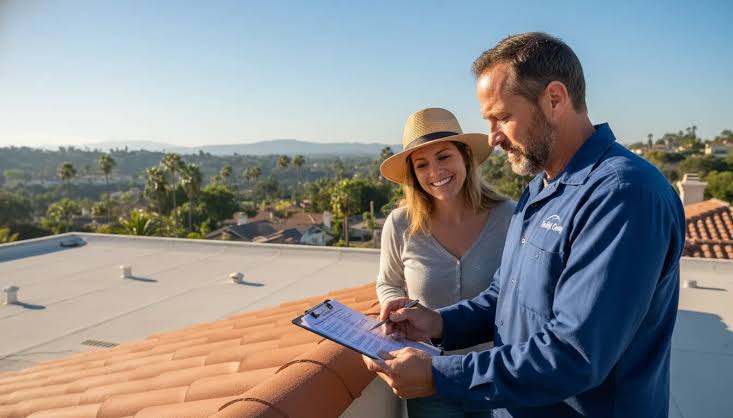
A reputable roofing contractor should be able to explain what they found, show you the evidence, and clearly distinguish between problems that can be repaired and conditions that warrant full replacement.
Free Roof Assessments Across Tampa
Our team provides free, no-obligation inspections to give you an honest answer on where your roof actually stands — not a sales pitch, an actual assessment of age, material condition, and whether repair or replacement makes sense for your specific situation.
Contact Roofers Near Me to schedule your free roof inspection.
Call (727) 439-1844 to schedule your free roof inspection.
You can also review customer testimonials from homeowners across Tampa Bay before scheduling your inspection.
Frequently Asked Questions
How old does a roof need to be before it should be replaced in Tampa?
Most asphalt shingle roofs in Tampa’s climate last 18 to 22 years before replacement becomes the more sensible option, though the exact timing depends on maintenance history, material quality, and storm exposure over the years. Tile and metal roofs last considerably longer.
What are the clearest signs I need a new roof instead of a repair?
Widespread shingle curling or cracking, repeated leaks in different areas, sagging rooflines, and heavy granule loss across the whole roof are the strongest indicators. A single, isolated issue on an otherwise sound roof usually points to repair instead.
Can storm damage force a full roof replacement even if I only wanted a repair?
Yes. Florida’s 25% rule requires that if more than a quarter of a roof needs repair, the entire roof must be brought up to current code, which typically means full replacement — this is especially relevant for roofs installed before 2007.
Does an old roof affect my home insurance in Florida?
It can. Many Florida insurers factor roof age and condition into pricing and renewal decisions, and some require inspections that can flag an aging roof as a concern, potentially affecting your premium or insurability.
Is it worth replacing my roof before selling my home?
It depends on the roof’s current condition and age. A roof flagged during a buyer’s inspection can complicate or delay a sale, and many buyers factor an aging roof into their offer price — sometimes more than the actual replacement cost would run you directly.
How do I know if I should get a second opinion on a roof replacement recommendation?
If the recommendation doesn’t match what you’re actually seeing (for example, a full replacement pushed for a roof with only one isolated repair need), or if you’re being told repeated repairs will keep working on a roof well past its expected lifespan, a second independent inspection is a reasonable step before committing either way.