After storm damage, stabilize any active leaks first, document everything with photos before cleanup, then call a licensed roofer for an inspection before you call your insurance company. That order matters — a contractor’s written damage assessment gives you a stronger starting position when you do file a claim, rather than letting an adjuster’s initial visit be the only professional opinion on record. Tampa Bay sits squarely in hurricane territory, and the difference between a smoothly approved claim and a denied or reduced one usually comes down to what happens in the first 48 hours.
Hour One: Safety and Stabilization
Before anything else, make sure the immediate situation is safe. Stay off the roof — storm damage can leave sections structurally unstable even when they look fine from below, and wet, debris-covered surfaces are dangerous even for experienced crews. If water is actively entering your home, contain it with buckets and move belongings out of the way, and cut power to any affected areas near outlets or fixtures.
If the leak is significant, this is the point to call for emergency roof repair in Tampa Bay rather than waiting. A tarped roof can help reduce ongoing water intrusion while you handle the rest of the process, and documented emergency mitigation — with receipts and photos — can provide useful records when discussing the damage with your insurer.
The First 24–48 Hours: Documentation
This is the single biggest factor in how smoothly your claim goes. Adjusters and contractors alike will tell you the same thing: the strength of a storm damage claim usually comes down to documentation quality in the first two days, before cleanup or weather changes the scene.
What to photograph:
- All four exterior elevations of the roof, plus close-ups of visible damage
- Interior ceiling stains, wall damage, or any water intrusion
- Damaged personal property, if applicable
- The attic, if safely accessible — water stains on the underside of the deck are often visible before they show up inside the living space
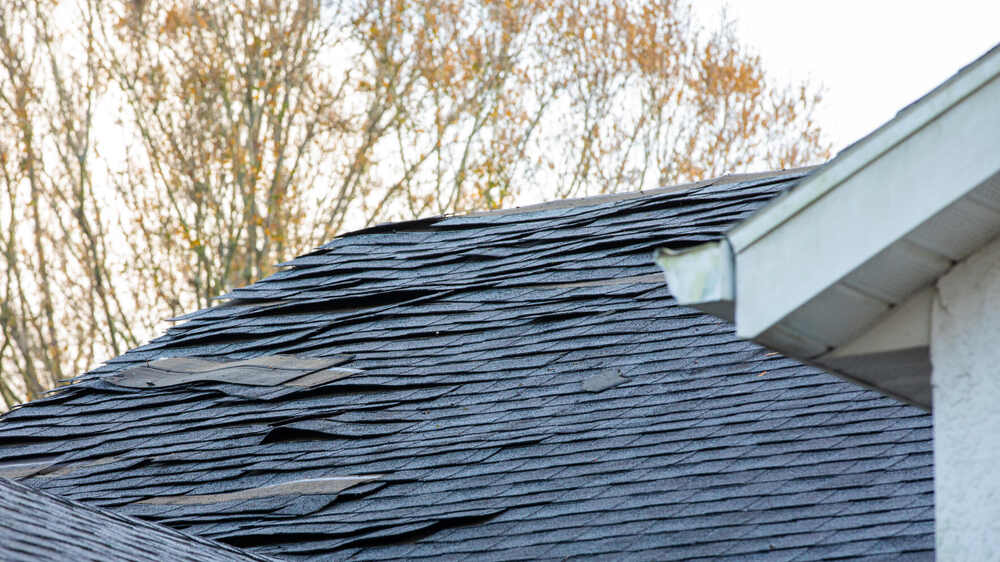
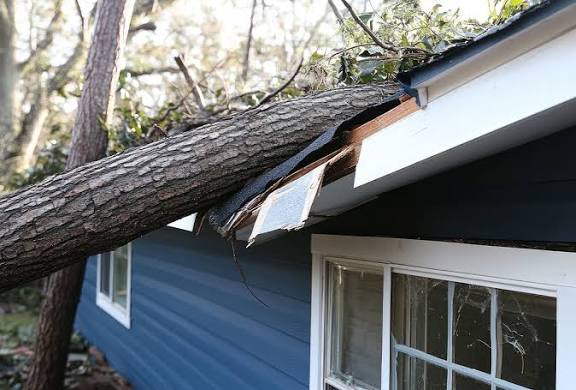
- Any debris on the property, including fallen limbs and displaced shingles or tiles, before you clear it away
What else to gather:
- The date and time of the storm, and if possible, the specific weather event name
- Any National Weather Service radar or wind-gust data for your ZIP code and the date in question
- Receipts for any emergency mitigation, including tarping and temporary repairs
Aim to over-document rather than under-document. A hundred photos is not excessive after a significant storm — it gives your contractor and your insurance company a more complete picture rather than a partial one.
For additional information about roof maintenance, repairs, storm-related issues, and roofing systems in the area, you can also review our Complete Tampa Bay Roofing Guide.
Should You Call Your Roofer or Your Insurance Company First?
This is one of the more debated points, but the practical answer for most Tampa Bay homeowners is: contact a roofer at the same time you open your claim, if possible. An independent, licensed roofer inspecting your roof specifically for the purpose of documenting damage may catch things a homeowner — or an insurance adjuster moving quickly through a high volume of claims after a major storm — might miss.
Getting that professional assessment in hand before or alongside your claim gives you a second, informed perspective rather than relying solely on the carrier’s evaluation.
That said, don’t delay opening the claim itself. Florida law and your insurance policy can impose reporting deadlines, so check your specific policy and report damage promptly rather than waiting until a deadline approaches.
If you need an inspection or repair after the storm, professional Tampa Bay roof repair can help identify whether the damage is limited to a few roofing components or extends to the underlayment and decking.
Meeting the Insurance Adjuster
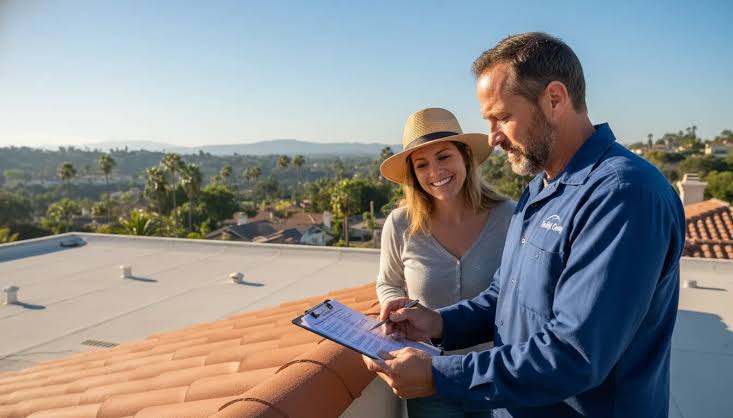
Whenever possible, have your contractor present when the insurance adjuster inspects the roof. A contractor walking the roof alongside the adjuster can point out damage that’s easy to miss from a quick visual pass, particularly on tile roofs where cracked or displaced tiles aren’t always obvious without close inspection.
Bring your own documentation to this meeting: your photos, any weather data you’ve gathered, and your contractor’s written assessment if you have one prepared in advance.
Understanding the 25% Rule in a Storm Claim Context
Florida’s building code has requirements concerning the percentage of a roof that can be repaired without bringing the affected roof up to current code. The exact application depends on the roof, jurisdiction, scope of work, and applicable code provisions, so your contractor and local building department should confirm whether the rule applies to your specific situation.
This becomes especially relevant after significant storms, since damage can be more extensive than what’s visible from the ground. If your contractor’s inspection suggests that a substantial portion of the roof is damaged, make sure the scope and code implications are clearly documented for your insurance claim.
When storm damage is extensive enough to require a new roofing system, roof replacement in Tampa Bay may become part of the assessment. The important step is determining the actual scope of damage before deciding between repair and replacement.
What Happens If a Claim Is Denied or Reduced
Storm damage claims in Florida can involve disputes over the cause of damage, policy exclusions, documentation, and the condition of the roof before the storm.
Common issues include:
• “Excluded cause” disputes, where the carrier argues the damage resulted from a non-covered peril rather than a covered cause of loss.
• Insufficient documentation — too few photos, no independent weather information, or no written professional estimate.
• Pre-existing damage arguments, where the carrier claims some or all of the damage predates the storm.
If your claim comes back denied or significantly reduced, review the insurer’s explanation and policy language carefully. A contractor may be able to provide additional documentation or a more detailed scope of work if the initial inspection missed damage.
For homeowners trying to understand potential repair expenses after a storm, our guide to roof repair costs in Tampa provides current cost ranges and explains how material, decking damage, and the extent of the repair can affect the final price.
From Approved Claim to Finished Roof
Once a claim is approved, the typical process moves through:
- Final scope agreement between your contractor and the carrier
- Material selection, depending on what the claim covers and whether you choose any upgrades
- Permitting through your local jurisdiction
- The repair or replacement itself
- A final walkthrough and warranty paperwork
Straightforward repairs can sometimes be completed quickly once approved. Claims involving extensive insurance review, permitting, material ordering, or full replacement can take considerably longer.
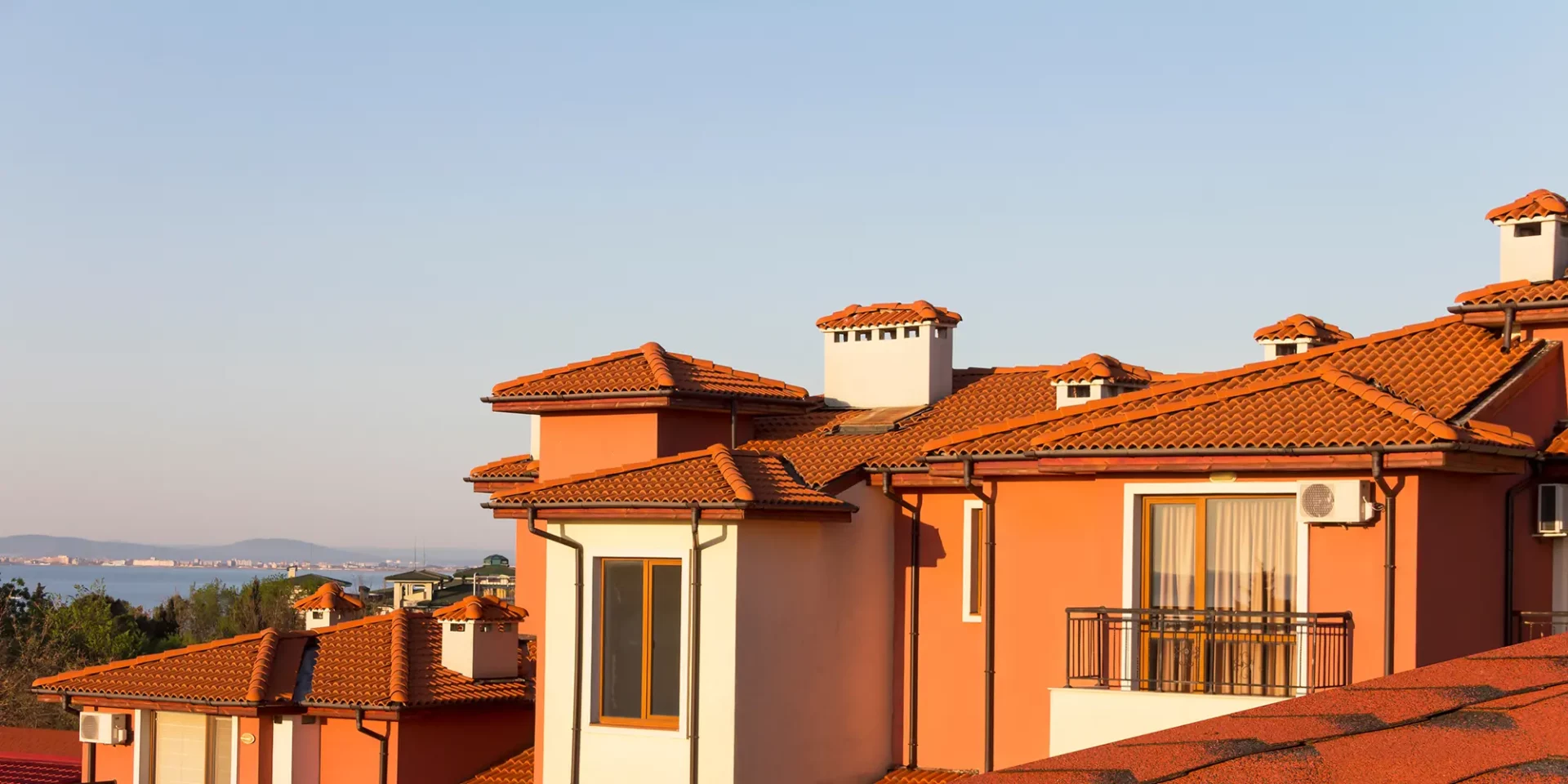
If your storm damage involves tile, remember that damaged or displaced tiles can sometimes expose the underlying roofing system to additional weather. Our tile roof installation guide also explains how tile systems, underlayment, and installation considerations work.
Get a Free Storm Damage Assessment
If your roof was affected by recent storms or hurricane-season weather, our team provides free inspections and written damage assessments across Tampa, Clearwater, St. Petersburg, and Largo — including meeting your insurance adjuster on-site when you file a claim.
Call (727) 439-1844 for a free storm damage inspection.
You can also contact our Tampa Bay roofing team to schedule an inspection or request more information about your storm-damaged roof.
Frequently Asked Questions
Should I call my insurance company or a roofer first after storm damage?
It’s generally useful to contact a roofer around the same time you open your claim. A licensed contractor’s written damage assessment can document the condition of the roof and identify damage that may not be obvious from the ground. Don’t delay reporting the claim beyond the deadline in your policy or applicable law.
How long do I have to file a storm damage roof claim in Florida?
The applicable deadline depends on the type of claim, the date of loss, and current Florida law and policy terms. Rather than relying on a general deadline, check your policy and report the loss promptly.
Will my insurance cover a full roof replacement after storm damage?
It depends on the policy, cause of loss, extent of damage, roof condition, applicable exclusions, and building-code requirements. A professional inspection can document the physical scope of the damage, but your insurer determines coverage under your policy.
What if my storm damage claim gets denied?
Review the denial and the reasons given by the insurer. If you believe relevant damage was missed or incorrectly classified, additional documentation from your contractor may help clarify the scope and cause of damage. You can also discuss the matter with your insurer or a qualified insurance professional.
Do I need to be present when the insurance adjuster inspects my roof?
Being present can help you understand what is being inspected and provide access to relevant documentation. Having your contractor present may also allow technical questions about roofing damage to be addressed during the inspection.
How much documentation is too much for a storm damage claim?
Thorough documentation is generally useful. Photograph the roof and property from multiple angles, document interior water damage, save receipts for emergency mitigation, and preserve relevant weather information. Keep the original photos and records rather than relying only on edited or compressed copies.